If you’re curious about Leeds England, you’re in for a treat. This vibrant city in West Yorkshire blends history, culture, and modern energy like no other UK destination.
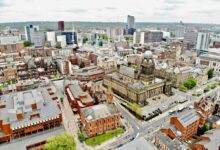
Leeds England: A Historical Powerhouse

Leeds England has a rich and layered history that stretches back over a thousand years. From its humble beginnings as a small Anglo-Saxon settlement to becoming one of the most influential industrial cities in the UK, Leeds has always been a hub of innovation and enterprise.
Origins and Early Development
The name “Leeds” is derived from the Old English word “Leodens,” meaning “place of the people.” First mentioned in the Domesday Book of 1086, Leeds was then a small agricultural village. Over the centuries, it grew steadily due to its strategic location between major trade routes.
- Leeds was granted a market charter in 1207, marking its emergence as a commercial center.
- The River Aire played a crucial role in early trade and transportation.
- By the 16th century, wool trading had become the backbone of the local economy.
Industrial Revolution Boom
The 18th and 19th centuries transformed Leeds England into a powerhouse of the Industrial Revolution. As one of the key cities in the textile industry, particularly wool and cloth manufacturing, Leeds became synonymous with innovation and mass production.
The Leeds Corn Exchange and the Leeds Town Hall, both iconic Victorian buildings, were constructed during this era.The city was a pioneer in engineering and machinery, with firms like Fawcett Preston leading the way.Leeds also became a center for printing and publishing, with newspapers like the Leeds Intelligencer (now the Yorkshire Post) gaining national influence..
“Leeds was not just a city of factories; it was a city of ideas,” said historian John Stevenson, highlighting its role in social reform and urban planning.Leeds England’s Modern Economic Engine
Today, Leeds England stands as one of the UK’s most dynamic economic centers outside of London.It’s a leading financial and legal hub, home to major banks, insurance firms, and tech startups..
Financial and Professional Services Hub
Leeds has earned the nickname “the capital of the North” due to its growing influence in the financial sector. It hosts regional headquarters for major institutions like HSBC, Lloyds Banking Group, and Aviva.
- The city contributes over £60 billion annually to the UK economy.
- Leeds has the largest concentration of legal professionals outside London.
- It ranks among the top three UK cities for fintech innovation.
Technology and Digital Innovation
The tech scene in Leeds England is booming. With a growing number of digital agencies, software developers, and AI startups, the city is fast becoming a magnet for tech talent.
- Leeds is home to the Leeds Digital Festival, one of the largest tech events in the UK.
- The city has been recognized as a “Tech Nation” hub by the UK government.
- Initiatives like Leeds City Council’s Digital Strategy support innovation and digital inclusion.
Leeds England’s Cultural Vibrancy
Culture thrives in Leeds England, from world-class museums to vibrant street art and a pulsating music scene. The city’s creative energy is palpable in every corner.
Museums and Galleries
Leeds boasts an impressive array of cultural institutions that celebrate both local heritage and global art.
- The Leeds Museums & Galleries network includes nine venues, such as the Leeds City Museum and Abbey House Museum.
- The Henry Moore Institute is dedicated to the study of sculpture and hosts international exhibitions.
- Thwaite Watermill and Armley Mills, the world’s largest industrial museum, offer deep dives into the city’s industrial past.
Music and Nightlife
Leeds has a legendary music scene that has produced iconic bands like Kaiser Chiefs, The Pogues, and Gang of Four. The city’s venues range from intimate pubs to large arenas.
- Brudenell Social Club is a cult favorite for live indie and alternative music.
- Leeds Festival, held annually at Bramham Park, attracts major international acts.
- The city’s nightlife spans trendy rooftop bars, underground clubs, and traditional pubs.
“Leeds doesn’t just follow trends—it sets them,” says music journalist Sarah Collins.
Leeds England’s Green Spaces and Outdoor Life
Despite its urban energy, Leeds England is surrounded by breathtaking natural beauty. The city is committed to sustainability and offers residents and visitors ample green spaces to explore.
Parks and Nature Reserves
Leeds is home to over 60 parks and green spaces, making it one of the greenest cities in the UK.
- Roundhay Park, one of the largest city parks in Europe, spans over 700 acres and features lakes, gardens, and woodlands.
- Golden Acre Park offers walking trails, a butterfly house, and a walled garden.
- Temple Newsam combines historic architecture with farmland and parkland, perfect for family outings.
Proximity to the Yorkshire Dales and National Parks
One of Leeds England’s greatest advantages is its location near some of the UK’s most stunning natural landscapes.
- The Yorkshire Dales National Park is just a 45-minute drive away, offering hiking, cycling, and scenic drives.
- Peak District National Park is also within easy reach, popular for rock climbing and moorland walks.
- River Aire and the Leeds-Liverpool Canal provide urban water trails for kayaking and walking.
Leeds England’s Educational Excellence
Education is a cornerstone of Leeds England’s success. The city hosts two major universities and a strong network of colleges and research centers.
University of Leeds
One of the UK’s leading research universities, the University of Leeds is a member of the prestigious Russell Group.
- Ranked among the top 100 universities globally, it attracts over 39,000 students from 140 countries.
- Known for strengths in engineering, medicine, and environmental sciences.
- Hosts the Institute for Climate and Atmospheric Science, a global leader in climate research.
Leeds Beckett University
Formerly Leeds Metropolitan University, Leeds Beckett focuses on applied learning and professional development.
- Strong programs in sports science, architecture, and business.
- Home to the Carnegie School of Sport, named after philanthropist Andrew Carnegie.
- Partnerships with local industries ensure graduates are job-ready.
“Leeds is not just a place to study—it’s a place to launch a career,” says Dr. Emily Tran, a lecturer at Leeds Beckett.
Leeds England’s Transport and Connectivity
Leeds is exceptionally well-connected, making it easy to travel within the city and beyond. Its transport infrastructure supports both commuters and tourists.
Public Transit System
The city’s public transport network includes buses, trains, and emerging sustainable options.
- First West Yorkshire operates an extensive bus network covering the city and surrounding areas.
- Leeds Station is one of the busiest in the UK, with direct links to London, Manchester, Edinburgh, and Birmingham.
- The proposed East West Rail Link aims to further boost regional connectivity.
Cycling and Walking Initiatives
Leeds England is investing heavily in active travel to reduce congestion and emissions.
- The Leeds Cycle Network includes over 100 miles of dedicated routes.
- City center pedestrianization projects are underway to create safer, greener zones.
- Electric bike and scooter rentals are now available through apps like Lime and Tier.
Leeds England: A City of the Future
With bold urban planning, sustainability goals, and a thriving startup culture, Leeds England is positioning itself as a model for 21st-century city living.
Smart City Initiatives
Leeds is at the forefront of smart city technology in the UK.
- The Leeds City Region Enterprise Partnership funds projects in digital infrastructure and data analytics.
- Smart traffic lights and real-time parking apps improve urban efficiency.
- The city uses IoT sensors to monitor air quality and energy use.
Sustainability and Net-Zero Goals
Leeds England has committed to becoming a carbon-neutral city by 2030.
- The Leeds Climate Commission advises on policy and community engagement.
- Green building standards are now mandatory for new developments.
- Community energy projects, like solar panel installations on schools, are expanding.
“Leeds is proving that economic growth and environmental responsibility can go hand in hand,” says climate activist Naomi Reed.
What is Leeds England famous for?
Leeds England is renowned for its industrial heritage, vibrant cultural scene, strong financial sector, and top-tier universities. It’s also known for producing influential music bands and hosting major festivals like Leeds Festival.
Is Leeds a good place to live?
Yes, Leeds is consistently ranked as one of the best UK cities to live in. It offers a high quality of life, affordable housing compared to London, excellent transport links, and a diverse range of leisure and career opportunities.
How far is Leeds from London?
Leeds is approximately 184 miles (296 km) north of London. By train, the journey takes about 2 hours and 15 minutes on the East Coast Main Line.
What are the best areas to visit in Leeds?
Top areas include the historic Kirkgate Market, the cultural hub of the Headrow, the shopping district of the Victoria Quarter, and the scenic Roundhay Park. The Corn Exchange and Trinity Leeds are also must-visit spots.
Is Leeds safe for tourists?
Yes, Leeds is generally safe for tourists. Like any major city, it’s wise to stay aware of your surroundings, especially at night. The city center is well-patrolled, and emergency services are responsive.
Leeds England is more than just a city—it’s a dynamic fusion of history, innovation, and culture. From its industrial roots to its modern skyline, from its green parks to its bustling streets, Leeds offers something for everyone. Whether you’re considering a visit, a move, or simply curious about this northern gem, one thing is clear: Leeds is a city on the rise, full of energy, opportunity, and charm.
Further Reading:
