Nestled in the heart of Shelby County, Leeds Alabama is more than just a quiet Southern town—it’s a community on the rise, blending history, growth, and Southern charm in unexpected ways.
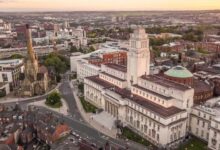
Leeds Alabama: A Historical Overview

Leeds Alabama, though now a bustling suburb of Birmingham, began as a modest rural settlement with deep roots in the 19th century. Its evolution from farmland to a modern city reflects broader trends in Southern urbanization and economic development.
Founding and Early Settlement
The area now known as Leeds Alabama was first settled in the early 1800s, primarily by farmers drawn to the fertile land of the Jones Valley. Originally part of Jefferson County, it wasn’t until the late 19th century that the community began to take shape as a distinct entity.
The town’s name is believed to have been inspired by Leeds, England, possibly chosen by early settlers or railroad officials with British ties. The arrival of the Louisville and Nashville Railroad (L&N) in the 1880s was a pivotal moment, transforming Leeds from farmland into a transportation and trade hub.
- The L&N Railroad established a depot in Leeds, attracting workers and businesses.
- Early economy centered on agriculture and timber.
- Post-Civil War migration patterns influenced population growth.
According to historical records from the Encyclopedia of Alabama, the railroad’s presence catalyzed the development of small commercial centers, laying the groundwork for future expansion.
20th Century Growth and Incorporation
Throughout the 20th century, Leeds Alabama experienced gradual but steady growth. While overshadowed by nearby Birmingham’s industrial boom, Leeds maintained its identity as a quiet, family-oriented community.
The town officially incorporated in 1962, a milestone that gave it greater autonomy in governance and planning. Incorporation allowed local leaders to invest in infrastructure, public safety, and education—key factors in its later development.
“Leeds’ incorporation was a turning point. It gave residents a voice in shaping their community’s future,” says Dr. Helen Morris, a regional historian at the University of Alabama at Birmingham.
- 1962 incorporation marked a shift toward self-governance.
- Population grew from under 1,000 to over 5,000 by the 1980s.
- City services like police and fire departments were established post-incorporation.
The city’s strategic location along U.S. Highway 11 and proximity to I-59 made it increasingly attractive for commuters and developers alike.
Leeds Alabama’s Modern Economy and Industry
Today, Leeds Alabama is no longer a sleepy rural town but a dynamic player in the regional economy. Its transformation has been fueled by industrial expansion, retail growth, and strategic infrastructure development.
Industrial Parks and Manufacturing Growth
One of the most significant developments in recent decades has been the expansion of the Leeds Industrial Park. Spanning hundreds of acres, this zone has attracted major manufacturers and logistics companies.
Companies like Alexion Pharmaceuticals and various automotive suppliers have established facilities here, drawn by tax incentives, available land, and access to transportation networks.
- Leeds Industrial Park is one of the largest in Shelby County.
- Over 2,000 jobs have been created in the past decade.
- Focus on advanced manufacturing and biotech sectors.
The city’s economic development office actively recruits businesses through partnerships with the Shelby County Economic Development Alliance, offering streamlined permitting and workforce training programs.
Retail and Commercial Expansion
Beyond manufacturing, Leeds Alabama has seen a retail boom. The Leeds Festival Center and surrounding commercial corridors are now home to national chains, restaurants, and service providers.
The Leeds Promenade, a mixed-use development, includes a cinema, fitness centers, and dining options, serving both locals and visitors from neighboring towns.
- Walmart, Lowe’s, and Publix anchor major shopping areas.
- Over 50 new businesses opened between 2015 and 2023.
- City zoning encourages walkable, mixed-use developments.
This commercial growth has not only boosted tax revenue but also enhanced the quality of life for residents, reducing the need to travel to Birmingham for everyday needs.
Leeds Alabama’s Population and Demographics
Leeds Alabama has undergone a demographic transformation in the 21st century, evolving from a small rural community into a diverse and growing suburban city.
Population Growth Trends
According to U.S. Census data, Leeds Alabama’s population has more than doubled since 2000, rising from approximately 4,500 to over 14,000 in 2023. This growth is among the fastest in Shelby County.
The surge is attributed to several factors: affordable housing, proximity to Birmingham, and a reputation for safety and good schools.
- Annual growth rate averages 5% over the past decade.
- Median age is 36, indicating a young, family-oriented population.
- Suburban appeal attracts young professionals and retirees alike.
City planners are working to accommodate this growth with expanded utilities, road improvements, and new housing developments.
Racial and Economic Diversity
While historically a predominantly White community, Leeds Alabama has become more racially diverse in recent years. The Black or African American population has grown, along with small but increasing numbers of Hispanic and Asian residents.
Economically, the city maintains a balanced mix of income levels. The median household income is around $65,000, slightly above the national average.
- Over 70% of residents own their homes.
- Unemployment rate is consistently below 4%, lower than state average.
- City invests in affordable housing initiatives to maintain inclusivity.
Community events like the Leeds Freedom Fest and multicultural festivals reflect this growing diversity and foster social cohesion.
Education and Schools in Leeds Alabama
Education is a cornerstone of community life in Leeds Alabama, with a strong public school system and growing support for early childhood and higher education access.
Leeds City Schools System
The Leeds City School District, established after the city’s incorporation, has earned a reputation for academic excellence and innovation. It operates three elementary schools, one middle school, and Leeds High School.
The district consistently ranks above state averages in standardized test scores and graduation rates. In 2022, Leeds High School was recognized by Niche.com as one of the top 20 high schools in Alabama.
- Student-teacher ratio of 16:1, below state average.
- Strong emphasis on STEM and career technical education (CTE).
- Partnerships with local industries for internship programs.
The district has also invested in modern facilities, including a new high school campus completed in 2019.
Early Childhood and Higher Education Access
While Leeds Alabama does not host a college campus, it supports early education through public pre-K programs and private daycare centers. Many residents pursue higher education at nearby institutions like Jefferson State Community College and the University of Alabama at Birmingham.
The city library offers GED preparation, college counseling, and scholarship workshops, helping students navigate post-secondary pathways.
- Over 60% of high school graduates enroll in college.
- City partners with Shelby County Schools for vocational training.
- Free tutoring and literacy programs available at the Leeds Library.
Local leaders are exploring the possibility of establishing a satellite campus or technical training center to further expand educational opportunities.
Leeds Alabama’s Government and Civic Life
The governance structure of Leeds Alabama reflects its commitment to transparency, community engagement, and sustainable development.
City Council and Municipal Leadership
Leeds operates under a mayor-council form of government. The mayor and five council members are elected at-large, serving four-year terms. Regular city council meetings are open to the public and streamed online.
The city has prioritized fiscal responsibility, maintaining a AAA bond rating from Moody’s—a rare achievement for a city of its size.
- Budget surplus reinvested in infrastructure and public safety.
- Transparent budgeting process with citizen input.
- Annual town hall meetings to discuss city plans.
Recent initiatives include a citywide fiber-optic network to improve internet access and support remote work.
Public Safety and Emergency Services
Leeds Alabama takes public safety seriously. The Leeds Police Department has grown alongside the population, now employing over 50 officers. The city also operates its own fire and EMS services.
Crime rates remain low, with violent crime well below national averages. The police department emphasizes community policing, with officers assigned to specific neighborhoods.
- Real-time crime center with surveillance and data analytics.
- Neighborhood Watch programs in all subdivisions.
- Annual safety fairs and emergency preparedness drills.
The city’s emergency management team coordinates with Shelby County and state agencies during severe weather events, which are common in the region.
Recreation and Quality of Life in Leeds Alabama
Leeds Alabama offers a high quality of life, with abundant recreational opportunities, green spaces, and community events that foster a strong sense of belonging.
Parks, Trails, and Outdoor Activities
The city manages over 200 acres of public parks and green spaces. Leeds City Park is the centerpiece, featuring playgrounds, picnic areas, sports fields, and a splash pad.
The recently completed Leeds Greenway is a 3.5-mile paved trail connecting neighborhoods, schools, and the Festival Center. It’s popular with walkers, runners, and cyclists.
- Five community parks with sports facilities.
- Leeds Greenway part of regional trail network.
- ADA-compliant designs ensure accessibility.
The city also partners with the Alabama Forestry Commission for tree planting and urban forestry initiatives.
Community Events and Cultural Life
Leeds Alabama hosts a calendar of events that bring residents together throughout the year. The Leeds Freedom Fest on July 4th is the largest, drawing thousands for fireworks, live music, and food trucks.
Other highlights include the Leeds Christmas Parade, Fall Festival, and Concerts in the Park series.
- Events funded through sponsorships and city grants.
- Local artists and musicians featured regularly.
- Volunteer-driven planning committees ensure community ownership.
The Leeds Arts Council promotes cultural programming, including theater productions and art exhibitions at the Festival Center.
Leeds Alabama’s Future: Challenges and Opportunities
As Leeds Alabama continues to grow, it faces both exciting opportunities and significant challenges in maintaining its identity while adapting to change.
Urban Planning and Infrastructure Needs
Rapid population growth has strained existing infrastructure. Traffic congestion on U.S. 11 and County Road 58 is a growing concern, prompting the city to invest in road widening and traffic signal optimization.
Long-term plans include a comprehensive transportation study and potential expansion of public transit options in coordination with Birmingham’s regional transit authority.
- Proposed roundabouts to improve traffic flow.
- Water and sewer system upgrades underway.
- Sustainable development guidelines adopted in 2021.
The city is also exploring smart city technologies, such as intelligent street lighting and energy-efficient municipal buildings.
Balancing Growth and Community Identity
One of the biggest challenges for Leeds Alabama is preserving its small-town charm while accommodating new residents and businesses. Some long-time residents express concerns about overdevelopment and loss of green space.
In response, the city has implemented strict zoning regulations and established a Historic Preservation Committee to protect significant sites.
- Green space preservation mandate: 15% of land must remain undeveloped.
- Architectural review board for commercial developments.
- Community surveys guide development priorities.
Mayor Angela Williams stated in a 2023 city address:
“Growth is inevitable, but how we grow is our choice. We’re committed to building a Leeds that honors its past while embracing the future.”
Leeds Alabama’s future hinges on smart planning, inclusive policies, and active civic participation.
What is the population of Leeds Alabama?
As of 2023, the population of Leeds Alabama is approximately 14,200, more than tripling since the early 2000s due to suburban expansion and economic development.
Is Leeds Alabama a safe place to live?
Yes, Leeds Alabama is considered very safe, with violent crime rates significantly below both state and national averages. The city’s police department emphasizes community policing and transparency.
What schools are in Leeds Alabama?
Leeds Alabama is served by the Leeds City School District, which includes three elementary schools, one middle school, and Leeds High School, all known for strong academic performance.
What major industries are in Leeds Alabama?
Key industries in Leeds Alabama include advanced manufacturing, logistics, healthcare, and retail. The Leeds Industrial Park is a major employer, hosting companies in pharmaceuticals and automotive sectors.
What are the top attractions in Leeds Alabama?
Popular attractions include the Leeds Festival Center, Leeds City Park, the Leeds Greenway trail, and annual events like the Freedom Fest and Christmas Parade.
Leeds Alabama has transformed from a quiet rural settlement into a thriving suburban city, balancing rapid growth with a commitment to community, safety, and quality of life. Its strategic location, strong schools, and vibrant civic culture make it a standout example of successful Southern urban development. As it navigates the challenges of expansion, Leeds remains focused on preserving its identity while building a sustainable future for all residents.
Further Reading:
