Want to dominate the digital space? Mastering leads online is your golden ticket. In today’s hyper-connected world, generating high-quality leads isn’t just helpful—it’s essential for survival and growth. Let’s dive into the strategies that actually work.

Understanding Leads Online: What They Are and Why They Matter

At the heart of every successful digital marketing campaign lies a powerful engine: leads online. But what exactly are they? Simply put, a lead is a person who has shown interest in your product or service. This interest can come from filling out a form, subscribing to a newsletter, downloading a guide, or engaging with your content in a meaningful way.
The Evolution of Online Lead Generation
Lead generation has come a long way from cold calling and print ads. The digital revolution has transformed how businesses connect with potential customers. In the early 2000s, email marketing and basic landing pages were the norm. Fast forward to today, and we’re leveraging AI-driven chatbots, behavioral targeting, and multi-channel nurturing sequences.
According to HubSpot’s State of Marketing Report, 63% of marketers say generating traffic and leads is their top challenge. This highlights the growing competition and the need for smarter, data-backed strategies to capture attention in a crowded online space.
Types of Leads Online: MQL, SQL, and Beyond
Not all leads are created equal. Understanding the different types helps you prioritize and convert more effectively.
- Marketing Qualified Lead (MQL): A lead who has engaged with your marketing efforts—like downloading an ebook or attending a webinar—but isn’t yet ready to buy.
- Sales Qualified Lead (SQL): An MQL that sales teams have vetted and believe is ready for direct outreach.
- Product Qualified Lead (PQL): Common in SaaS, this lead has used your product (e.g., a free trial) and shown behaviors indicating purchase intent.
By segmenting your leads, you can tailor follow-ups and increase conversion rates significantly.
“The best leads aren’t just names on a list—they’re people with real problems your business can solve.”
Why Leads Online Are the Lifeblood of Digital Growth
Without a steady stream of leads online, even the most brilliant product will struggle to gain traction. Leads are the fuel that powers your sales funnel, drives revenue, and scales your business. In fact, companies that excel at lead generation grow 2.5x faster than their peers, according to Salesforce’s State of Sales Report.
From Awareness to Revenue: The Lead Journey
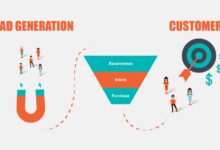
The journey of a lead online typically follows a funnel: Awareness → Interest → Decision → Action. At each stage, your marketing must deliver the right message at the right time.
- Awareness: The lead discovers your brand via SEO, social media, or ads.
- Interest: They engage—clicking a CTA, watching a video, or signing up for a newsletter.
- Decision: They compare your offering with competitors, often influenced by testimonials or case studies.
- Action: They convert—becoming a customer or booking a consultation.
Optimizing each stage ensures fewer drop-offs and higher ROI.
The Cost of Ignoring Online Lead Generation
Businesses that neglect leads online often face stagnation. They rely on word-of-mouth or outdated methods, missing out on scalable growth. A study by Marketing Charts found that 80% of B2B sales cycles now start with a web search. If you’re not visible online, you’re invisible to buyers.
Moreover, poor lead quality leads to wasted sales effort. Sales teams spend up to 33% of their time on unqualified leads, according to Nielsen. That’s time not spent closing deals.
Top 7 Strategies to Generate High-Quality Leads Online
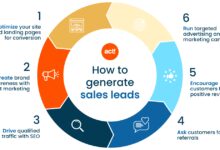
Now, let’s get into the actionable strategies that deliver real results. These aren’t theoretical ideas—they’re battle-tested methods used by top-performing companies worldwide.
1. Optimize Your Website for Lead Capture
Your website is your 24/7 salesperson. If it’s not designed to convert, you’re losing leads online every minute. Start with clear CTAs, fast loading times, and mobile responsiveness.
- Use pop-ups or slide-ins strategically—timed to exit intent or scroll depth.
- Place lead capture forms above the fold on key pages.
- Offer value upfront: a free tool, audit, or checklist in exchange for contact info.
Tools like Optimizely or Unbounce let you A/B test different layouts to maximize conversions.
2. Leverage Content Marketing with Gated Offers
Content is king, but not all content generates leads. The key is creating high-value, gated content—like whitepapers, templates, or webinars—that requires an email to access.
- Write in-depth guides that solve specific pain points (e.g., “The Ultimate SEO Checklist for 2024”).
- Promote your content via LinkedIn, email newsletters, and paid ads.
- Use lead magnets that align with your buyer’s journey stage.
According to Content Marketing Institute, content marketing generates three times as many leads as traditional marketing, at 62% less cost.
3. Master SEO to Attract Organic Leads Online
Search engine optimization (SEO) is one of the most sustainable ways to generate leads online. When people search for solutions you offer, you want to be the first result they see.
- Conduct keyword research using tools like Ahrefs or SEMrush to find high-intent queries.
- Create pillar pages and topic clusters to establish authority.
- Optimize meta descriptions, headers, and image alt text for better click-through rates.
A study by Backlinko found that the first result on Google gets 27.6% of all clicks. Ranking high means more visibility and more leads.
4. Run Targeted Paid Ads on Google and Social Media
While SEO is long-term, paid advertising delivers immediate results. Platforms like Google Ads and Facebook Ads allow you to target users based on behavior, interests, and demographics.
- Use Google Search Ads for high-intent keywords (e.g., “best CRM for small business”).
- Leverage Facebook and Instagram lead ads with instant forms.
- Retarget website visitors with dynamic ads to bring them back.
According to WordStream, the average conversion rate for Google Search Ads is 3.75%, making it one of the highest-converting ad formats.
5. Build an Email List with Lead Nurturing Sequences
Email remains one of the most effective channels for converting leads online. But it’s not about blasting promotions—it’s about nurturing relationships.
- Create a welcome sequence that delivers value in the first 7 days.
- Segment your list based on behavior (e.g., downloaded a pricing guide vs. attended a demo).
- Use automation tools like Mailchimp or ActiveCampaign to send personalized follow-ups.
HubSpot reports that nurtured leads make 47% larger purchases than non-nurtured leads.
6. Use Social Proof and Reviews to Build Trust
People trust people, not brands. Social proof—like testimonials, case studies, and user reviews—can dramatically increase conversion rates.
- Display customer logos on your homepage.
- Embed video testimonials on landing pages.
- Encourage satisfied customers to leave Google or Trustpilot reviews.
A Nielsen Norman Group study found that 92% of consumers trust peer recommendations over advertising.
7. Implement Live Chat and AI Chatbots for Instant Engagement
Today’s buyers expect instant responses. Live chat and AI-powered chatbots can capture leads online even when your team is offline.
- Use chatbots to qualify leads by asking simple questions (e.g., “What’s your biggest marketing challenge?”).
- Route high-intent leads to sales reps in real time.
- Offer instant downloads or schedule demos via chat.
According to Zendesk, 69% of consumers prefer chatbots for quick communication with brands.
Tools and Platforms to Supercharge Your Leads Online Efforts
Generating leads online isn’t just about strategy—it’s also about using the right tools. The right tech stack can automate, track, and optimize your efforts at scale.
CRM Systems: Centralize Your Lead Management
A Customer Relationship Management (CRM) system is essential for tracking every interaction with your leads online. Platforms like HubSpot, Salesforce, and Zoho CRM help you organize contacts, set follow-up tasks, and measure conversion rates.
- Automate lead scoring based on engagement (e.g., email opens, page visits).
- Integrate with email, social media, and ad platforms for seamless data flow.
- Use pipelines to visualize where each lead is in the sales journey.
According to Gartner, organizations using CRM see a 36% increase in lead conversion rates.
Marketing Automation: Scale Your Outreach
Manual follow-ups don’t scale. Marketing automation tools like Marketo, Pardot, and Klaviyo allow you to send personalized messages at scale based on user behavior.
- Trigger emails when a lead downloads a resource.
- Send abandoned cart reminders for e-commerce.
- Re-engage cold leads with reactivation campaigns.
Automated workflows can reduce response time by 80%, according to CMO.com.
Data Analytics: Measure What Matters
You can’t improve what you don’t measure. Analytics tools like Google Analytics, Hotjar, and Mixpanel give you insights into how users interact with your site.
- Track conversion rates on landing pages.
- Use heatmaps to see where users click, scroll, or drop off.
- Set up goals to measure lead form submissions.
With data, you can make informed decisions instead of guessing what works.
Common Mistakes That Kill Your Leads Online Potential
Even with the best strategies, one wrong move can sabotage your efforts. Here are the most common pitfalls and how to avoid them.
Ignoring Lead Quality for Quantity
More leads don’t always mean better results. Chasing vanity metrics like form fills without qualifying leads leads to wasted sales time and low conversion rates.
Solution: Implement lead scoring. Assign points for actions like visiting pricing pages, downloading case studies, or attending webinars. Focus on high-scoring leads first.
Poor Follow-Up and Nurturing
80% of leads online go cold because of poor follow-up. Many businesses capture a lead and then go silent for days—or never follow up at all.
Solution: Automate your follow-up sequence. Send a thank-you email immediately, followed by a series of value-driven messages over the next 7–10 days.
Not Aligning Sales and Marketing Teams
When sales and marketing don’t communicate, leads fall through the cracks. Marketing may generate leads, but if sales doesn’t trust them, they won’t pursue them.
Solution: Hold regular sync meetings. Define what a qualified lead looks like. Use shared KPIs to align goals.
“Generating leads online is easy. Converting them is where the real work begins.”
Case Studies: Real Brands Winning with Leads Online
Theory is great, but real-world examples prove what’s possible. Let’s look at three companies that transformed their growth by mastering leads online.
Case Study 1: HubSpot’s Inbound Marketing Machine
HubSpot built its entire business on inbound marketing. By offering free tools, templates, and educational content, they attract millions of visitors each month.
Their blog ranks for thousands of keywords, and nearly every article includes a CTA to download a resource. This strategy generates over 100,000 leads online monthly.
Key takeaway: Provide massive value upfront to build trust and capture leads at scale.
Case Study 2: Shopify’s Free Trial Strategy
Shopify offers a 14-day free trial with no credit card required. This low-barrier entry attracts entrepreneurs who are ready to start an online store.
Once inside, users are guided through onboarding emails, tutorials, and prompts to add products. Over 50% convert to paid plans.
Key takeaway: Reduce friction and let your product sell itself through experience.
Case Study 3: Canva’s Viral Referral Program
Canva encourages users to invite teammates by offering extra design features. This turns customers into advocates and drives organic lead growth.
Their referral program contributed to over 10 million users in just a few years.
Key takeaway: Leverage your existing users to generate new leads online through incentives.
Future Trends in Leads Online: What’s Next?
The world of leads online is evolving fast. Staying ahead means anticipating trends before they become mainstream.
AI-Powered Personalization at Scale
Artificial intelligence is making it possible to deliver hyper-personalized experiences to every lead. From dynamic website content to AI-written emails, personalization is no longer a luxury—it’s expected.
Tools like Drift and Jasper use AI to tailor messaging in real time, increasing engagement and conversion rates.
Voice Search and Visual Search Optimization
With the rise of smart speakers and image-based search (like Google Lens), optimizing for voice and visual queries is becoming critical.
Long-tail, conversational keywords and image alt text will play a bigger role in capturing these new types of leads online.
Privacy-First Lead Generation
With stricter data laws (GDPR, CCPA) and the deprecation of third-party cookies, marketers must adapt. The future belongs to first-party data and permission-based marketing.
Expect more zero-party data strategies—where users willingly share preferences in exchange for value.
“The future of leads online isn’t about capturing data—it’s about earning trust.”
What are leads online?
Leads online are individuals or businesses who have shown interest in your product or service through digital channels, such as filling out a form, subscribing to a newsletter, or downloading a resource. They are potential customers in the early stages of the buying journey.
How can I generate more leads online?
You can generate more leads online by optimizing your website for conversions, creating high-value gated content, running targeted ads, leveraging SEO, building an email list, using social proof, and implementing chatbots for instant engagement.
What’s the difference between MQL and SQL?
A Marketing Qualified Lead (MQL) has engaged with your marketing content but isn’t ready to buy. A Sales Qualified Lead (SQL) has been vetted by the sales team and is ready for direct outreach.
Which tools help manage leads online?
Popular tools include CRM platforms like HubSpot and Salesforce, marketing automation tools like Mailchimp and Marketo, and analytics platforms like Google Analytics and Hotjar.
Why is lead nurturing important?
Lead nurturing builds trust and guides prospects through the buying journey. Nurtured leads are more likely to convert and spend more than non-nurtured leads.
Generating leads online is no longer optional—it’s the foundation of modern business growth. From optimizing your website to leveraging AI and automation, the strategies outlined here provide a complete roadmap to attract, engage, and convert high-quality leads. The key is consistency, testing, and a relentless focus on delivering value. Start implementing these tactics today, and watch your pipeline overflow with qualified opportunities.
Further Reading:
