Ever wondered what ‘leads meaning’ really is? It’s more than just potential customers—it’s the lifeblood of sales and marketing. In this deep dive, we’ll unpack everything from definitions to strategies, so you can turn curiosity into conversions.

Leads Meaning: The Core Definition and Business Impact

Understanding the true leads meaning is essential for any business aiming to grow its customer base. At its core, a lead is an individual or organization that has shown interest in your product or service. But this simple definition barely scratches the surface of its strategic importance in modern marketing and sales ecosystems.
What Exactly Is a Lead?
A lead is not just a name or email address—it’s a person who has taken a specific action indicating interest. This could be filling out a contact form, downloading an eBook, subscribing to a newsletter, or requesting a demo. According to Investopedia, a lead is “a potential sales contact,” but the context in which that contact appears matters significantly.
- A lead can be generated organically through content marketing.
- Paid advertising campaigns often produce high-intent leads.
- Referrals from existing customers are typically high-quality leads.
The quality of a lead depends on how closely their profile matches your ideal customer persona. Not all leads are created equal—some are ready to buy, while others are just beginning their research.
Why Leads Are the Foundation of Sales Funnels
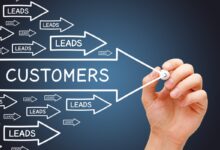
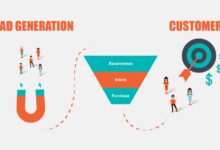
Leads are the starting point of the sales funnel. Without leads, there is no opportunity to nurture relationships, demonstrate value, or close deals. The leads meaning becomes clearer when you visualize the customer journey: awareness → interest → decision → action. Leads enter at the awareness or interest stage, and effective marketing guides them toward conversion.
“A business without leads is like a car without fuel—it might look great, but it’s going nowhere.” — Sales Expert Brian Tracy
Inbound leads, generated through valuable content and SEO, tend to be more engaged than outbound leads. However, both play crucial roles depending on the industry and business model. For example, B2B companies often rely on outbound prospecting, while B2C brands thrive on inbound traffic.
Types of Leads: From Cold to Hot
Not every lead is ready to buy. The leads meaning evolves based on the lead’s stage in the buyer’s journey. Classifying leads helps businesses allocate resources efficiently and personalize communication.
leads meaning – Leads meaning menjadi aspek penting yang dibahas di sini.
Cold Leads: The Starting Point
Cold leads are individuals who have shown minimal interest. They might have visited your website or provided basic contact information but haven’t engaged deeply. These leads require nurturing through educational content, email sequences, and retargeting ads.
- Often obtained through broad marketing campaigns.
- Low conversion probability without follow-up.
- Best approached with soft-sell strategies.
For example, someone who downloads a free guide on “10 Tips for Better Productivity” might be a cold lead for a project management software company. They’re not ready to buy yet, but they’ve opened the door for further engagement.
Warm Leads: Showing Genuine Interest
Warm leads have interacted with your brand multiple times. They might have attended a webinar, requested a price quote, or added a product to their cart. These leads are more likely to convert because they’ve demonstrated intent.
According to HubSpot, warm leads are 20% more likely to convert than cold leads. This makes them a prime target for sales outreach. Personalized follow-ups, case studies, and limited-time offers can push warm leads toward a purchase decision.
“Warm leads are already halfway through the door—your job is to welcome them in.” — Marketing Strategist Ann Handley
Hot Leads: Ready to Buy Now
Hot leads are the most valuable. They’ve expressed a clear intent to purchase, often by asking for a demo, contacting sales directly, or comparing pricing plans. The leads meaning here shifts from potential to imminent opportunity.
- Require immediate follow-up (ideally within 5 minutes).
- Should be handled by experienced sales representatives.
- Often result in high-ticket sales.
For instance, a company searching for “best CRM for small business” and requesting a live demo is a hot lead. At this stage, the focus should be on addressing objections, showcasing ROI, and closing the deal.
How Leads Are Generated: Modern Strategies
Understanding the leads meaning is only half the battle. The other half is knowing how to generate high-quality leads consistently. Today’s digital landscape offers numerous channels, each with its own strengths and best practices.
leads meaning – Leads meaning menjadi aspek penting yang dibahas di sini.
Inbound Marketing: Attracting Leads Naturally
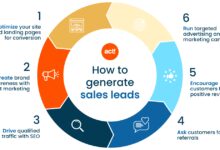
Inbound marketing focuses on creating valuable content that draws leads to your business. This includes blog posts, SEO-optimized articles, videos, podcasts, and social media content. The goal is to solve problems and answer questions your audience is already asking.
- Blogs rank high in organic search results, driving consistent traffic.
- E-books and whitepapers capture leads through gated content.
- Webinars position your brand as an industry authority.
According to Neil Patel, inbound leads cost 61% less than outbound leads and generate 3x more conversions. This makes inbound strategies highly efficient for long-term growth.
Outbound Prospecting: Reaching Out Directly
Outbound prospecting involves actively reaching out to potential customers through cold emails, phone calls, LinkedIn outreach, or direct mail. While often seen as intrusive, modern outbound techniques are highly targeted and personalized.
Tools like Salesforce and HubSpot Sales Hub help automate and track outbound efforts. The key is relevance—sending the right message to the right person at the right time.
“Outbound isn’t dead—it’s just smarter now.” — Sales Technology Expert Aaron Ross
Successful outbound campaigns rely on detailed buyer personas, accurate data, and A/B testing. When done right, outbound can generate high-intent leads even in competitive markets.
Social Media and Paid Ads: Accelerating Lead Flow
Paid advertising on platforms like Facebook, LinkedIn, Google Ads, and Instagram allows businesses to target specific demographics, interests, and behaviors. These platforms offer powerful lead generation tools, such as Facebook Lead Ads and LinkedIn Lead Gen Forms.
- Facebook Lead Ads reduce friction by auto-filling user data.
- LinkedIn is ideal for B2B lead generation due to professional targeting.
- Google Search Ads capture high-intent users actively searching for solutions.
A study by WordStream found that the average conversion rate for Google Search Ads is 3.75%, making it one of the most effective lead sources. However, ad costs can rise quickly without proper optimization.
leads meaning – Leads meaning menjadi aspek penting yang dibahas di sini.
Lead Qualification: Separating Prospects from Pipe Dreams
Not every lead deserves your sales team’s time. The leads meaning becomes actionable only when leads are properly qualified. This process ensures that resources are focused on those most likely to convert.
BANT Framework: Budget, Authority, Need, Timing
BANT is one of the oldest and most reliable lead qualification models. It evaluates four key criteria:
- Budget: Does the lead have the financial resources to purchase?
- Authority: Is the lead the decision-maker or influencer?
- Need: Does the lead have a genuine problem your product solves?
- Timing: Is the lead planning to make a purchase soon?
For example, a small business owner looking for accounting software with a $50/month budget, authority to make decisions, a clear need for automation, and intent to buy within 30 days is a fully qualified lead.
CHAMP and MEDDIC: Advanced Qualification Models
While BANT is effective, newer models like CHAMP (Challenges, Authority, Money, Prioritization) and MEDDIC (Metrics, Economic buyer, Decision criteria, Decision process, Identify pain, Champion) offer deeper insights, especially in complex B2B sales.
MEDDIC, popularized by companies like Salesforce and DocuSign, emphasizes identifying internal champions and understanding the buyer’s decision process. This is crucial in enterprise sales where multiple stakeholders are involved.
“MEDDIC isn’t just a framework—it’s a sales philosophy.” — Sales Leader Francisco Maia
Implementing these models requires training and CRM integration but can significantly improve win rates and shorten sales cycles.
Lead Nurturing: Turning Interest into Action
Only 2% of leads convert on first contact. The rest need nurturing—a process of building trust and providing value over time. The leads meaning here shifts from acquisition to relationship-building.
leads meaning – Leads meaning menjadi aspek penting yang dibahas di sini.
Email Drip Campaigns: Automated Yet Personal
Email drip campaigns are sequences of automated emails triggered by user behavior. For example, someone who downloads a guide might receive a series of follow-up emails with case studies, testimonials, and special offers.
- Drip campaigns can increase conversion rates by up to 119% (Source: Constant Contact).
- Personalization (using the lead’s name, company, or behavior) boosts engagement.
- A/B testing subject lines and CTAs improves open and click-through rates.
The key is relevance and timing. Bombarding leads with sales pitches too soon can backfire, while consistent, value-driven communication builds credibility.
Content Personalization and Retargeting
Personalization goes beyond using a first name. It involves delivering the right content based on a lead’s industry, role, behavior, or stage in the funnel. Dynamic website content, personalized landing pages, and retargeting ads help keep your brand top-of-mind.
For example, a lead who viewed pricing pages but didn’t convert might see a retargeting ad offering a free consultation. This gentle nudge can reignite interest and drive action.
“People don’t buy products. They buy better versions of themselves.” — Marketing Author Seth Godin
Tools like Marketo and Pardot enable sophisticated lead nurturing workflows that adapt in real time.
Measuring Lead Success: Key Metrics and KPIs
Understanding the leads meaning isn’t complete without measuring performance. Tracking the right metrics helps optimize campaigns and prove ROI.
Conversion Rate and Cost Per Lead
Conversion rate measures the percentage of leads that become customers. A high conversion rate indicates effective targeting and nurturing. Cost per lead (CPL) calculates how much you spend to acquire each lead.
leads meaning – Leads meaning menjadi aspek penting yang dibahas di sini.
- Industry average CPL varies: $10–$50 for B2C, $100–$300 for B2B.
- Lower CPL with higher conversion = optimal efficiency.
- Track CPL by channel to identify top performers.
For example, if a LinkedIn campaign generates 50 leads at $2,500, the CPL is $50. If 10 convert to customers, the conversion rate is 20%.
Lead-to-Customer Ratio and Sales Cycle Length
The lead-to-customer ratio shows how many leads it takes to close one sale. A lower ratio means higher lead quality. Sales cycle length measures the time from first contact to closed deal.
Shortening the sales cycle while maintaining quality is a key goal. According to Salesforce, high-performing teams have 28% shorter sales cycles than underperformers.
“What gets measured gets managed.” — Management Expert Peter Drucker
Common Lead Generation Mistakes and How to Avoid Them
Even experienced marketers make mistakes that undermine their lead efforts. Recognizing these pitfalls is crucial to maximizing the true leads meaning.
Poor Targeting: Casting Too Wide a Net
One of the biggest mistakes is targeting too broadly. While it might generate more leads, they’re often low-quality and unlikely to convert. This wastes time and resources.
- Solution: Refine buyer personas using data from CRM and analytics.
- Use intent data to identify leads actively researching solutions.
- Leverage lookalike audiences on ad platforms to find similar high-value leads.
For example, a SaaS company should target specific industries or job titles rather than “business owners” in general.
Ignoring Lead Scoring
Without lead scoring, sales teams waste time chasing unqualified leads. Lead scoring assigns points based on behavior (e.g., visiting pricing page) and demographics (e.g., job title, company size).
leads meaning – Leads meaning menjadi aspek penting yang dibahas di sini.
Tools like HubSpot automate this process, ensuring only high-scoring leads are passed to sales. This alignment between marketing and sales—known as “smarketing”—boosts efficiency and revenue.
“If you’re not scoring leads, you’re flying blind.” — Growth Marketer Rand Fishkin
Weak Follow-Up Strategies
Many leads are lost due to poor follow-up. Research by InsideSales.com shows that 35–50% of sales go to the vendor that responds first.
- Respond to inbound inquiries within 5 minutes for maximum conversion.
- Use multi-channel follow-up (email, phone, LinkedIn).
- Automate initial responses but personalize deeper engagement.
A well-timed follow-up can turn a lukewarm lead into a hot opportunity.
What is the basic leads meaning?
The basic leads meaning refers to individuals or organizations that have shown interest in a product or service and are potential customers. They are the starting point of the sales process and can be generated through various marketing efforts like content, ads, or referrals.
What are the different types of leads?
Leads are typically categorized as cold, warm, or hot. Cold leads have minimal engagement, warm leads have shown interest through actions like attending webinars, and hot leads are ready to buy and often request demos or quotes.
leads meaning – Leads meaning menjadi aspek penting yang dibahas di sini.
How do you qualify a lead?
Lead qualification involves assessing whether a lead has the budget, authority, need, and timing (BANT) to make a purchase. Advanced models like CHAMP and MEDDIC are used in complex sales environments to ensure only high-potential leads are pursued.
What is lead nurturing?
Lead nurturing is the process of building relationships with leads over time through personalized communication, such as email campaigns, content delivery, and retargeting, to guide them toward a purchase decision.
What metrics should I track for lead generation?
Key metrics include conversion rate, cost per lead (CPL), lead-to-customer ratio, and sales cycle length. These help evaluate the effectiveness of lead generation campaigns and optimize for better ROI.
Understanding the leads meaning is not just about defining a term—it’s about unlocking the engine of business growth. From identifying different lead types to mastering qualification and nurturing, every step impacts your bottom line. By leveraging data, automation, and strategic follow-up, you can transform raw interest into loyal customers. The future of sales isn’t about chasing leads—it’s about attracting, qualifying, and converting them with precision.
leads meaning – Leads meaning menjadi aspek penting yang dibahas di sini.
Further Reading:
