Want to unlock a massive market? Mastering leads in Spanish could be your golden ticket. With over 500 million native speakers worldwide, Spanish-speaking audiences represent a powerful, often underutilized opportunity for businesses aiming to scale globally.


Why Leads in Spanish Are a Game-Changer for Global Businesses

Targeting leads in Spanish isn’t just about translation—it’s about cultural connection, trust-building, and tapping into one of the fastest-growing consumer bases in the world. Spanish is the second most spoken language globally by native speakers, trailing only Mandarin. In the U.S. alone, over 41 million people speak Spanish at home, making it the largest minority language in the country.
Demographics of Spanish-Speaking Audiences
The Spanish-speaking market spans continents, from Latin America to Spain, and increasingly, major urban centers across the United States. According to the Ethnologue, Spanish is spoken in 20+ countries as an official language. The largest populations are in Mexico, Colombia, Argentina, and the U.S.
- Over 480 million native Spanish speakers worldwide
- Spanish is the primary language in 21 countries
- U.S. Hispanic market spending power exceeds $1.8 trillion annually
This demographic isn’t just large—it’s young, digitally active, and highly engaged. A Pew Research Center report found that Hispanic adults in the U.S. are more likely to own smartphones and use social media than the general population, making digital lead generation especially effective.
The Economic Power of Spanish-Speaking Consumers
Spanish-speaking consumers aren’t just numerous—they’re economically influential. In the U.S., the Hispanic population is expected to reach nearly 111 million by 2060, according to the U.S. Census Bureau. Their purchasing power has grown exponentially, making them a critical segment for brands in industries ranging from finance to healthcare, e-commerce, and real estate.
“The Hispanic market in the U.S. is not a niche—it’s a powerhouse. Ignoring leads in Spanish is like leaving money on the table.” — Maria Gonzalez, Global Marketing Strategist
Companies like Netflix, Walmart, and Bank of America have invested heavily in Spanish-language marketing, seeing significant ROI from culturally relevant campaigns. For example, Netflix’s Spanish-language originals like “Narcos” and “La Casa de Papel” have not only attracted massive audiences but also helped the platform dominate Latin American markets.
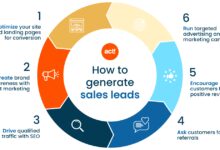
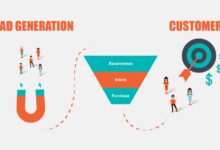
How to Generate High-Quality Leads in Spanish
Generating leads in Spanish requires more than just translating English content. It demands a strategic, culturally aware approach that resonates with the values, language nuances, and digital behaviors of Spanish speakers.
Create Culturally Relevant Content
One of the biggest mistakes businesses make is using direct translation instead of localization. Localization means adapting your message to fit cultural context, idioms, and regional preferences. For example, the word “computer” might be “computadora” in Mexico but “ordenador” in Spain.
- Use local idioms and expressions (e.g., “¡Qué chévere!” in Colombia vs. “¡Qué guay!” in Spain)
- Avoid slang that doesn’t translate well or could be offensive
- Highlight family, community, and tradition—values often central to Hispanic culture
Content that reflects real-life experiences of Spanish speakers—like parenting, financial independence, or career growth—performs better in lead generation campaigns. For instance, a financial services company might create a webinar titled “Cómo Ahorrar para la Universidad de Tus Hijos” (How to Save for Your Children’s College) to attract parents looking for long-term planning tools.
Optimize Landing Pages for Spanish Speakers
Your landing page is often the first real interaction a potential lead has with your brand. If it’s poorly translated or culturally off, you’ll lose trust instantly. To maximize conversions from leads in Spanish:
- Use native Spanish-speaking copywriters, not AI or automated tools
- Include local contact information (phone numbers, addresses)
- Offer payment options popular in Spanish-speaking regions (e.g., OXXO in Mexico, Pago Fácil in Argentina)
A/B testing has shown that landing pages with localized imagery—such as families, local landmarks, or culturally familiar settings—can increase conversion rates by up to 40%. Tools like Optimizely or VWO can help test different versions for maximum impact.
Leverage Social Media to Capture Leads in Spanish
Social media is one of the most effective channels for generating leads in Spanish. Platforms like Facebook, Instagram, and WhatsApp are deeply embedded in the daily lives of Spanish speakers, especially in Latin America.
Top Platforms for Spanish-Speaking Audiences
Each platform offers unique opportunities for lead generation:
- Facebook: Widely used across all age groups; ideal for targeted ads and community building
- Instagram: Popular among younger demographics; great for visual storytelling and influencer marketing
- WhatsApp: Used by over 120 million people in Latin America for customer service and direct sales
- TikTok: Rapidly growing in Spanish-speaking markets, especially among Gen Z
For example, a beauty brand might run a TikTok challenge using the hashtag #MiRutinaDeBelleza (My Beauty Routine) to encourage user-generated content and collect email sign-ups through a linked landing page.
Running Targeted Ads in Spanish
Facebook and Google Ads allow you to target users by language, location, and interests. When creating ad campaigns for leads in Spanish:
- Use clear, benefit-driven headlines (e.g., “Consigue tu Guía Gratis de Finanzas Personales”)
- Include a strong call-to-action (CTA) like “Descarga Ahora” (Download Now) or “Regístrate Gratis” (Sign Up Free)
- Target specific countries or regions (e.g., Mexico City, Buenos Aires, Madrid)
According to WordStream, Spanish-language ads in the U.S. have a 23% higher click-through rate than English-only ads when properly localized.
“Language is identity. When you speak to someone in their native tongue, you’re not just communicating—you’re showing respect.” — Carlos Mendoza, Digital Marketing Consultant
Email Marketing Strategies for Leads in Spanish
Email remains one of the highest ROI channels for nurturing leads in Spanish. However, success depends on personalization, timing, and cultural relevance.
Building a Spanish Email List
Start by offering high-value lead magnets in Spanish, such as:
- Free e-books (e.g., “Guía Definitiva para Emprender en 2024”)
- Webinars with local experts
- Discounts for first-time buyers
Use pop-ups, landing pages, and social media ads to promote these offers. Ensure your opt-in forms are in Spanish and clearly state what subscribers will receive.
Writing Effective Spanish Email Campaigns
Spanish emails should be warm, personal, and conversational. Avoid overly formal language unless targeting corporate clients. Use the second-person singular (“tú”) for a friendly tone, or “usted” for more formal audiences.
- Subject lines should spark curiosity or urgency (e.g., “Tu cupón expira hoy”)
- Personalize with the recipient’s name and location
- Send emails at optimal times (e.g., 9–11 AM local time)
Tools like Mailchimp and Klaviyo support multilingual campaigns and automation, making it easier to segment and nurture Spanish-speaking leads.
SEO Best Practices for Capturing Leads in Spanish
Search engine optimization is critical for attracting organic leads in Spanish. But SEO in Spanish isn’t just about translating keywords—it’s about understanding how Spanish speakers search online.
Keyword Research for Spanish Markets
Use tools like Ahrefs, SEMrush, or Google Keyword Planner to identify high-volume, low-competition keywords in Spanish. Focus on long-tail phrases like:
- “cómo generar leads en español”
- “mejores estrategias de marketing digital para hispanos”
- “cursos de emprendimiento online gratis”
Remember that search behavior varies by region. For example, users in Spain might search for “formación online” while those in Mexico say “cursos en línea”.
On-Page SEO for Spanish Content
To rank well in Spanish-speaking regions:
- Use hreflang tags to tell search engines which language and region your page targets
- Include keywords naturally in titles, headers, and meta descriptions
- Write in a conversational tone that matches local speech patterns
Also, ensure your website loads quickly and is mobile-friendly—over 70% of internet users in Latin America access the web via smartphones.
“If your website isn’t optimized for Spanish SEO, you’re invisible to millions of potential customers.” — Elena Ruiz, SEO Specialist
Tools and Technologies to Scale Leads in Spanish
Scaling your lead generation efforts requires the right tech stack. From CRM systems to AI-powered chatbots, the right tools can automate and personalize your outreach to Spanish-speaking audiences.
CRM Systems for Managing Spanish Leads
Customer Relationship Management (CRM) platforms like Salesforce, HubSpot, and Zoho CRM support multilingual data entry and communication. You can:
- Tag leads by language and region
- Schedule follow-ups in local time zones
- Send automated email sequences in Spanish
HubSpot, for example, offers pre-built email templates in Spanish and allows you to segment contacts by language preferences.
AI Chatbots for Real-Time Engagement
AI-powered chatbots can engage Spanish-speaking visitors 24/7, answering questions and capturing leads even outside business hours. Platforms like Intercom and Drift support bilingual bots that switch seamlessly between English and Spanish.
- Program responses using natural, colloquial Spanish
- Integrate with your CRM to log conversations
- Use chatbots to qualify leads before handing them to sales reps
One e-commerce brand reported a 35% increase in lead capture after deploying a Spanish-speaking chatbot on their product pages.
Common Mistakes to Avoid When Targeting Leads in Spanish
Even well-intentioned campaigns can fail if they overlook cultural or linguistic nuances. Avoid these common pitfalls to ensure your efforts resonate with Spanish-speaking audiences.
Literal Translation vs. Localization
Using Google Translate or direct translation tools often results in awkward, confusing, or even offensive content. For example, the phrase “I’m hot” translated literally to “Estoy caliente” can imply sexual arousal in Spanish, rather than being warm.
- Always hire native speakers for translation and copywriting
- Test content with local focus groups
- Use localization platforms like Smartling or Transifex
Ignoring Regional Differences
Spanish varies significantly across regions. What works in Argentina may not resonate in Puerto Rico. For instance:
- In Mexico, “carro” means car; in Spain, it’s “coche”
- In Colombia, “parce” is slang for friend; in Chile, it’s “weón”
- Date formats differ (DD/MM/YYYY in most countries vs. MM/DD/YYYY in the U.S.)
Ignoring these differences can make your brand seem out of touch or unprofessional.
“One size does not fit all in the Spanish-speaking world. Regional authenticity builds trust.” — Sofia Ramirez, Cross-Cultural Communications Expert
Measuring the Success of Your Leads in Spanish Campaigns
To ensure your investment pays off, you need to track the right metrics and continuously optimize your strategy.
Key Performance Indicators (KPIs) to Track
Monitor these KPIs to evaluate the effectiveness of your leads in Spanish initiatives:
- Conversion rate from Spanish landing pages
- Cost per lead (CPL) in Spanish campaigns
- Email open and click-through rates for Spanish lists
- Social media engagement (likes, shares, comments) in Spanish posts
Use Google Analytics to set up separate views for Spanish-language traffic and track user behavior across your site.
A/B Testing for Continuous Improvement
Run A/B tests on headlines, CTAs, images, and email subject lines to see what resonates best. For example, test:
- “Obtén tu Consulta Gratis” vs. “Habla con un Experto Hoy”
- Images of families vs. solo professionals
- Formal vs. casual tone in email copy
Even small tweaks can lead to significant improvements in lead quality and volume.
What does ‘leads in Spanish’ mean?
Leads in Spanish refers to potential customers or prospects who speak Spanish and are generated through marketing efforts tailored to Spanish-speaking audiences. This includes email sign-ups, form submissions, social media interactions, and other conversion actions conducted in the Spanish language.
Why should I target leads in Spanish?
Targeting leads in Spanish allows you to access a vast, growing, and economically powerful market. With over half a billion speakers worldwide and strong digital engagement, Spanish-speaking consumers represent a high-opportunity segment for global businesses.
Can I use automated translation for my Spanish campaigns?
No. Automated translation often fails to capture cultural nuances and can result in awkward or offensive content. Always use native Spanish-speaking professionals for translation and localization to ensure accuracy and authenticity.
Which countries have the most potential for leads in Spanish?
Mexico, Colombia, Argentina, Spain, and the United States (Hispanic population) are among the top markets for generating leads in Spanish due to their large populations, high internet penetration, and strong consumer spending.
How do I measure the ROI of my Spanish lead generation campaigns?
Track KPIs like conversion rates, cost per lead, customer acquisition cost (CAC), and lifetime value (LTV) of Spanish-speaking customers. Compare these metrics to your English campaigns to assess performance and optimize accordingly.
Generating leads in Spanish is not just a marketing tactic—it’s a strategic imperative for any business aiming to grow globally. By understanding the cultural, linguistic, and digital behaviors of Spanish-speaking audiences, you can create campaigns that resonate, convert, and build lasting relationships. From localized content and SEO to social media and email marketing, every touchpoint matters. Avoid common pitfalls like literal translation and regional ignorance, and invest in the right tools and talent to scale effectively. The opportunity is massive, and the time to act is now.
Further Reading:
