Want to grow your business fast? Then you need one thing above all: leads. Without leads, there’s no pipeline, no sales, and no growth. In this deep dive, we’ll explore what leads really are, why they matter, and how to generate them consistently—using proven strategies that convert.


What Are Leads and Why They Matter in Business Growth

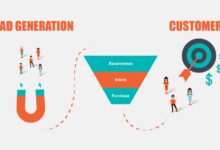
At its core, a lead is any person or organization that shows interest in your product or service. This interest could be as simple as signing up for a newsletter or downloading a free guide. But not all leads are created equal. Understanding the different types and their value is the first step toward building a sustainable sales engine.
Defining a Lead in Modern Marketing
A lead is more than just a name and email. It’s a potential customer who has taken a specific action indicating interest. According to HubSpot, a lead is someone who has given you permission to communicate—a crucial distinction in today’s privacy-conscious world.
- A lead enters the sales funnel after engaging with your brand.
- They may have filled out a form, attended a webinar, or requested a demo.
- The key is intent: they’ve signaled they want more information.
The Evolution of Lead Generation Over the Decades
Lead generation has evolved dramatically. In the 1980s, it was all about cold calls and trade shows. The 1990s brought fax machines and direct mail. Then came the internet, and everything changed. Today, digital channels dominate—especially social media, SEO, and content marketing.
As Neil Patel points out, digital lead generation now accounts for over 70% of all B2B leads. The shift isn’t just technological—it’s cultural. Buyers now research independently before ever speaking to a salesperson.
“The best leads aren’t chased—they’re attracted.” — Seth Godin
The Different Types of Leads You Need to Know
Not every lead is ready to buy. Some are just browsing. Others are actively comparing solutions. Recognizing the different types of leads helps you tailor your follow-up strategy and improve conversion rates.
Marketing Qualified Leads (MQLs)
Marketing Qualified Leads (MQLs) are contacts who’ve engaged with your marketing efforts but aren’t yet ready for sales. They might have downloaded an ebook, visited pricing pages, or subscribed to your blog.
- MQLs are nurtured with targeted content and email sequences.
- They’re scored based on behavior and demographics.
- The goal is to move them toward becoming Sales Qualified Leads (SQLs).
Sales Qualified Leads (SQLs)
Sales Qualified Leads (SQLs) are MQLs who’ve shown buying intent—like requesting a demo, asking for a quote, or speaking with a sales rep. These leads are passed to the sales team for direct engagement.
According to Salesforce, companies with strong MQL-to-SQL conversion processes see 30% higher win rates. The handoff between marketing and sales must be seamless.
Product Qualified Leads (PQLs)
Product Qualified Leads (PQLs) are users who’ve experienced your product—often through a free trial or freemium model—and shown behaviors that indicate readiness to upgrade.
- PQLs are common in SaaS businesses (e.g., Slack, Zoom).
- They’ve already seen value—your job is to convert that into revenue.
- Behavioral triggers (like feature usage) help identify PQLs automatically.
Top 7 Proven Strategies to Generate High-Quality Leads
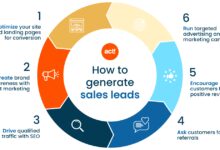
Generating leads isn’t about volume—it’s about quality. The best strategies attract the right people, not just any people. Here are seven powerful, data-backed methods to generate leads that convert.
Create High-Value Lead Magnets
A lead magnet is a free resource offered in exchange for contact information. The better the value, the higher the conversion rate.
- E-books, checklists, templates, and webinars work best.
- Ensure the content solves a specific pain point.
- Use tools like Leadpages or ConvertKit to build optimized landing pages.
For example, OptinMonster reports that lead magnets can increase conversions by up to 1,200%.
Optimize Your Website for Lead Capture
Your website should be a 24/7 lead generation machine. Every page should have a clear call-to-action (CTA) and a way to capture visitor information.
- Use pop-ups, slide-ins, and embedded forms strategically.
- Place CTAs above the fold and at natural content breaks.
- A/B test button colors, copy, and placement for maximum impact.
Hotjar’s heatmaps reveal that users engage most with CTAs placed in the top-right corner.
Leverage SEO to Attract Organic Leads
Search engine optimization (SEO) is one of the most cost-effective ways to generate long-term leads. When people search for solutions you offer, you want to be at the top.
- Target buyer-intent keywords (e.g., “best CRM for small business”).
- Create comprehensive, long-form content that answers real questions.
- Optimize meta tags, headers, and internal linking structure.
Backlinko’s Brian Dean found that long-form content (2,000+ words) gets 3x more traffic and shares.
Run Targeted Paid Advertising Campaigns
Paid ads can deliver instant leads when done right. Platforms like Google Ads and Facebook Ads allow hyper-targeting based on demographics, interests, and behaviors.
- Use lead-focused objectives (e.g., lead form submissions).
- Retarget website visitors who didn’t convert.
- Test different ad creatives and audiences to find winning combinations.
WordStream reports that the average Facebook lead ad cost is $20.52 per lead, but top performers pay far less with smart targeting.
Host Webinars That Convert
Webinars are one of the most effective lead generation tools, especially for complex or high-ticket products.
- Offer actionable insights, not just sales pitches.
- Capture attendee emails during registration.
- Follow up with a personalized email sequence and offer.
GoToWebinar found that 73% of B2B marketers say webinars generate high-quality leads.
Build an Email List with Smart Opt-Ins
Email remains the highest ROI channel for lead nurturing. But you need permission to email people—and that starts with opt-ins.
- Use exit-intent popups to capture leaving visitors.
- Offer a lead magnet in exchange for subscription.
- Segment your list based on behavior for better engagement.
Mailchimp data shows that segmented campaigns have 14.31% higher open rates and 100.95% higher click rates.
Partner with Influencers and Affiliates
Influencer marketing isn’t just for consumer brands. B2B companies are increasingly using micro-influencers to generate trusted leads.
- Collaborate with industry experts to co-create content.
- Run affiliate programs that reward referrals.
- Leverage LinkedIn influencers for professional audiences.
According to Influencer Marketing Hub, businesses earn $5.20 for every $1 spent on influencer marketing.
How to Qualify Leads Effectively
Generating leads is only half the battle. The real challenge is knowing which leads are worth pursuing. Poor qualification wastes time and resources. A solid lead qualification process ensures your sales team focuses on the most promising opportunities.
Use the BANT Framework (Budget, Authority, Need, Timing)
BANT is a classic sales qualification model developed by IBM. It helps determine if a lead is ready to buy.
- Budget: Does the lead have the financial resources?
- Authority: Is the contact the decision-maker?
- Need: Do they have a clear pain point your product solves?
- Timing: Are they looking to buy soon?
While BANT is traditional, it’s still effective—especially in enterprise sales.
Implement Lead Scoring Models
Lead scoring assigns points to leads based on their behavior and profile. High scores indicate higher readiness to buy.
- Positive points for visiting pricing pages, downloading case studies, or attending webinars.
- Negative points for inactivity or irrelevant job titles.
- Automate scoring using CRM tools like HubSpot or Salesforce.
Marketo found that companies using lead scoring see a 77% increase in lead conversion rates.
Leverage AI-Powered Lead Qualification Tools
Artificial intelligence is transforming lead qualification. Tools like Drift, Qualified, and Exceed.ai use chatbots and predictive analytics to identify hot leads in real time.
- Chatbots engage visitors and ask qualifying questions.
- AI analyzes behavior patterns to predict conversion likelihood.
- Integrates with CRM to prioritize follow-ups.
Forrester reports that AI-powered lead scoring improves sales productivity by 30-50%.
The Role of CRM in Managing Leads
A Customer Relationship Management (CRM) system is the backbone of any lead management strategy. It centralizes lead data, automates follow-ups, and provides insights into performance.
Choosing the Right CRM for Your Business
Not all CRMs are the same. The right choice depends on your size, industry, and goals.
- HubSpot CRM: Best for startups and small businesses (free tier available).
- Salesforce: Ideal for large enterprises with complex sales cycles.
- Pipedrive: Great for sales-focused teams who want simplicity.
According to Gartner, Salesforce holds 19.8% of the global CRM market, followed by Microsoft and SAP.
Automating Lead Nurturing with CRM Workflows
Manual follow-ups don’t scale. CRM automation ensures no lead falls through the cracks.
- Set up email sequences based on lead behavior.
- Trigger tasks for sales reps when a lead reaches a certain score.
- Use drip campaigns to educate and engage over time.
ActiveCampaign reports that automated emails generate 320% more revenue than non-automated ones.
Tracking Lead Conversion Metrics in CRM
Data drives decisions. A good CRM provides detailed analytics on lead performance.
- Track conversion rates from MQL to SQL to customer.
- Measure lead response time—faster replies mean higher conversions.
- Identify bottlenecks in your sales funnel.
InsideSales found that 50% of leads are qualified but ignored, and 35% of sales go to the first responder.
Common Mistakes That Kill Lead Generation
Even smart marketers make mistakes that sabotage their lead generation efforts. Avoiding these pitfalls can dramatically improve your results.
Targeting the Wrong Audience
If you’re not speaking to the right people, no amount of content or ads will help. Define your ideal customer profile (ICP) before launching any campaign.
- Use customer interviews and data analysis to build ICPs.
- Avoid broad targeting—precision beats volume.
- Update your ICP regularly based on feedback and results.
Ignoring Lead Nurturing
Only 2% of leads convert on first contact. The rest need nurturing. Failing to follow up means losing 80% of potential customers.
- Develop a multi-touch nurturing sequence.
- Use email, retargeting ads, and social media to stay top-of-mind.
- Personalize messages based on lead behavior.
Poor Follow-Up Timing
Speed matters. Research shows that leads are 7x more likely to convert if contacted within 5 minutes.
- Automate instant responses with chatbots or email.
- Train sales teams to prioritize fast follow-up.
- Use tools like RingLead or Lead411 to enrich lead data quickly.
Measuring the Success of Your Lead Generation Campaigns
You can’t improve what you don’t measure. Tracking the right KPIs helps you optimize your lead generation strategy over time.
Key Metrics to Track: Conversion Rate, Cost Per Lead, ROI
These three metrics form the foundation of lead generation analytics.
- Conversion Rate: Percentage of visitors who become leads.
- Cost Per Lead (CPL): Total spend divided by number of leads generated.
- Return on Investment (ROI): Revenue generated from leads vs. cost to acquire them.
According to HubSpot, the average website conversion rate is 2.35%, but top performers hit 5.31%.
Using A/B Testing to Optimize Lead Forms
Small changes can have big impacts. A/B testing helps you find the most effective version of your lead forms.
- Test form length: Short vs. long forms.
- Test button text: “Get Started” vs. “Download Now”.
- Test placement: Sidebar vs. inline vs. pop-up.
VWO’s research shows that A/B testing can increase conversions by up to 300%.
Attribution Modeling: Understanding Which Channels Drive Leads
Leads often come from multiple touchpoints. Attribution modeling helps you understand which channels deserve credit.
- First-touch: Credits the first interaction.
- Last-touch: Credits the final click before conversion.
- Multi-touch: Distributes credit across all touchpoints (most accurate).
Google Analytics 4 offers advanced attribution models to help marketers make better decisions.
Future Trends in Lead Generation
The world of leads is changing fast. New technologies and consumer behaviors are reshaping how businesses attract and convert prospects.
The Rise of Conversational Marketing
Conversational marketing uses chatbots, messaging apps, and live chat to engage visitors in real time.
- Drift and Intercom lead this space with AI-powered chatbots.
- Visitors expect instant responses—delays hurt conversion.
- Chatbots can qualify leads 24/7 without human intervention.
Drift’s State of Conversational Marketing report found that 64% of consumers expect real-time responses from brands.
Personalization at Scale with AI
Generic messages don’t work anymore. AI enables hyper-personalization based on user behavior, location, and preferences.
- Dynamic content changes based on visitor profile.
- Email subject lines and body copy are tailored automatically.
- Recommendations mimic Amazon-style personalization.
McKinsey reports that personalization can reduce acquisition costs by up to 50%.
Voice Search and Visual Search Optimization
As voice assistants (Alexa, Siri) and visual search (Google Lens) grow, optimizing for these channels becomes critical.
- Use natural language in content to match voice queries.
- Optimize images with descriptive alt text and structured data.
- Target question-based keywords (e.g., “how to generate leads?”).
Comscore predicts that by 2025, 50% of all searches will be voice or visual.
What are leads in digital marketing?
Leads in digital marketing are individuals or organizations who have shown interest in your product or service by providing their contact information online—often through forms, downloads, or sign-ups. They are potential customers entering your sales funnel.
How can I generate more leads for my business?
You can generate more leads by creating valuable lead magnets, optimizing your website for conversions, using SEO and paid ads, hosting webinars, building an email list, and leveraging partnerships. Focus on quality over quantity and nurture leads with personalized follow-ups.
What’s the difference between MQL and SQL?
A Marketing Qualified Lead (MQL) has engaged with your marketing content but isn’t ready to buy. A Sales Qualified Lead (SQL) has shown buying intent and is ready for direct sales contact. The transition from MQL to SQL requires qualification based on behavior and fit.
How do I qualify a lead effectively?
Use frameworks like BANT (Budget, Authority, Need, Timing), implement lead scoring models, and leverage AI-powered tools to assess a lead’s readiness to buy. Combine demographic data with behavioral insights for accurate qualification.
What is the best CRM for managing leads?
The best CRM depends on your needs. HubSpot CRM is great for small businesses, Salesforce for enterprises, and Pipedrive for sales-focused teams. Look for automation, integration, and lead tracking features when choosing.
Generating and managing leads is the lifeblood of any growing business. From understanding the different types of leads to deploying powerful strategies like SEO, paid ads, and webinars, success lies in a systematic, data-driven approach. Qualification, nurturing, and measurement ensure you’re not just collecting names—but building real relationships. As technology evolves, embracing AI, personalization, and conversational marketing will give you a competitive edge. The future of leads isn’t about chasing—it’s about attracting the right people at the right time with the right message.
Further Reading:
