In the fast-paced world of digital marketing, understanding leads density can be the game-changer your strategy needs. It’s not just about generating more leads—it’s about maximizing quality and conversion potential in every campaign. Let’s dive into what truly drives results.



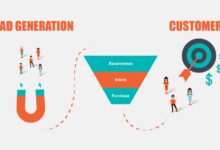
What Is Leads Density and Why It Matters

Leads density refers to the concentration of high-quality, actionable leads within a given dataset, audience segment, or marketing channel. Unlike raw lead volume, which only measures quantity, leads density emphasizes the proportion of leads that are genuinely interested, qualified, and ready to convert. This distinction is crucial for businesses aiming to optimize their marketing ROI.
Defining Leads Density Accurately
At its core, leads density is a metric that evaluates how many viable prospects exist in a specific pool of potential customers. For example, if you collect 1,000 leads from a webinar but only 200 meet your ideal customer profile (ICP), your leads density is 20%. The higher this percentage, the more efficient your acquisition strategy.
- Leads density = (Number of qualified leads / Total leads) × 100
- It applies across channels: email lists, social media audiences, landing page visitors
- High leads density reduces wasted ad spend and sales effort
According to HubSpot, companies with strong lead qualification processes see up to 50% higher conversion rates, directly tied to improved leads density.
Leads Density vs. Lead Volume: The Critical Difference
Many marketers fall into the trap of chasing lead volume—believing that more leads automatically mean more sales. However, a large number of unqualified leads can overwhelm sales teams and dilute marketing effectiveness. Leads density shifts the focus from quantity to quality.
“It’s not the number of leads you generate, but the density of qualified opportunities that determines revenue growth.” — Marketing Analyst, Gartner Research
For instance, a campaign generating 500 low-intent leads may yield fewer conversions than one producing 100 high-density, high-intent prospects. Tools like Marketo and Salesforce now incorporate lead scoring models to help businesses measure and improve leads density in real time.
The Science Behind High Leads Density
Understanding the mechanics of leads density requires a blend of data analytics, behavioral psychology, and strategic targeting. It’s not accidental—it’s engineered through precise audience segmentation, intent signals, and conversion funnel optimization.
Data-Driven Audience Segmentation
One of the most effective ways to increase leads density is through granular audience segmentation. By dividing your audience based on demographics, firmographics, online behavior, and engagement history, you can identify clusters with the highest propensity to convert.
- B2B marketers use firmographic filters like company size, industry, and revenue
- B2C brands leverage psychographic data such as interests, lifestyle, and purchase intent
- AI-powered tools like Segment enable dynamic segmentation in real time
When segmentation is precise, the resulting leads are not just numerous—they are densely packed with conversion potential. This directly enhances leads density by filtering out noise and focusing on signal-rich prospects.
Intent Signals and Behavioral Triggers
Modern digital platforms track user behavior across websites, emails, and ads. These behaviors—such as time spent on pricing pages, repeated visits, or downloading product brochures—are strong indicators of purchase intent. Incorporating these signals into your lead scoring system dramatically improves leads density.
For example, a visitor who spends over three minutes on your demo request page is far more likely to convert than someone who bounces after five seconds. Platforms like HubSpot and Pardot use machine learning to assign scores based on such behaviors, effectively quantifying leads density.
“Behavioral data is the new currency of lead quality. Companies that harness it see 3x higher leads density.” — Forrester Report, 2023
How Leads Density Impacts Conversion Rates
The relationship between leads density and conversion rates is not just correlative—it’s causal. Higher leads density means a greater concentration of ready-to-buy prospects, which directly translates into better sales outcomes.
Shortening the Sales Cycle
When sales teams engage with high-density leads, they spend less time qualifying and more time closing. A study by Salesforce found that sales reps spend nearly 34% of their time on non-selling activities, much of it due to poor lead quality.
- High leads density reduces follow-up time per qualified lead
- Sales teams achieve quota faster when leads are pre-qualified
- CRM systems with lead scoring automate prioritization
By improving leads density, companies can shorten the average sales cycle by up to 20%, accelerating revenue generation.
Improving Marketing ROI
Every dollar spent on acquiring low-quality leads is a dollar wasted. High leads density ensures that marketing budgets are invested in channels and campaigns that deliver the highest return.
For example, a paid ad campaign targeting broad keywords might generate thousands of clicks but low conversion. In contrast, a tightly targeted campaign using long-tail keywords and lookalike audiences can produce fewer clicks but significantly higher leads density—and thus, better ROI.
“We shifted from volume-based KPIs to leads density metrics and saw a 60% improvement in cost per acquisition.” — CMO, SaaS Tech Startup
Strategies to Increase Leads Density
Boosting leads density isn’t about luck—it’s about implementing deliberate, data-backed strategies that attract and identify high-intent prospects early in the funnel.
Refine Your Target Audience with ICP Modeling
The Ideal Customer Profile (ICP) is the foundation of high leads density. It defines the characteristics of customers who derive the most value from your product and are most likely to convert and stay loyal.
- Use existing customer data to identify common traits
- Incorporate revenue, industry, tech stack, and pain points
- Leverage tools like 6sense for predictive ICP modeling
Companies that rigorously define and update their ICP report up to 73% higher leads density in their inbound pipelines.
Optimize Lead Capture Forms
The design and structure of your lead capture forms can make or break leads density. Too many fields deter users; too few result in unqualified entries. The key is balance—collecting just enough data to qualify leads without creating friction.
Best practices include:
- Use progressive profiling to gather information over time
- Implement conditional logic to show relevant fields
- Include qualification questions (e.g., “What’s your biggest challenge?”)
A/B testing by Unbounce showed that optimized forms increased leads density by 38% by filtering out low-intent users early.
Leverage Content Personalization
Generic content attracts generic leads. Personalized content, on the other hand, speaks directly to the needs and pain points of specific audience segments, attracting higher-quality prospects.
For example, a visitor from the healthcare industry seeing a case study relevant to their sector is more likely to convert than one seeing a generic testimonial. Dynamic content platforms like Drift and Adobe Experience Manager enable real-time personalization based on user data.
“Personalization doesn’t just improve engagement—it filters for intent, boosting leads density.” — Content Strategy Lead, HubSpot
Measuring and Tracking Leads Density
You can’t improve what you don’t measure. Establishing a clear methodology for tracking leads density is essential for continuous optimization.
Key Metrics to Monitor
To calculate and monitor leads density effectively, track these core metrics:
- Lead-to-Customer Conversion Rate: Measures how many leads become paying customers
- Lead Score Average: Reflects the overall quality of incoming leads
- Time to First Engagement: Indicates how quickly leads interact post-capture
- Source Quality Index: Evaluates which channels deliver the densest leads
By analyzing these metrics over time, you can identify trends and adjust strategies to maintain or improve leads density.
Tools for Real-Time Leads Density Analysis
Several marketing automation and CRM platforms offer built-in analytics to track leads density:
- HubSpot Analytics: Tracks lead sources, behavior, and conversion paths
- Marketo Engage: Provides lead scoring and performance dashboards
- Salesforce Einstein Analytics: Uses AI to predict lead quality and density
Integrating these tools with your website and ad platforms allows for real-time monitoring and rapid optimization.
Leads Density in Different Marketing Channels
Leads density varies significantly across marketing channels. Understanding these differences helps allocate resources more effectively.
Email Marketing and Leads Density
Email remains one of the highest ROI channels, but its effectiveness depends on list quality. A bloated email list with inactive subscribers lowers leads density.
- Regularly clean your list using engagement metrics
- Use double opt-in to ensure genuine interest
- Segment campaigns by behavior and engagement level
According to Campaign Monitor, segmented email campaigns generate 30% more opens and 50% more clicks, directly improving leads density.
Social Media and Paid Ads
Social platforms like LinkedIn and Facebook offer powerful targeting options. However, broad targeting can flood your funnel with low-intent users.
To maximize leads density:
- Use lookalike audiences based on high-value customers
- Implement retargeting for users who showed intent
- Test ad creatives that attract qualified leads (e.g., demo requests vs. free downloads)
A/B tests by WordStream show that highly targeted LinkedIn ads can achieve leads density up to 45%, compared to 15% with broad targeting.
Organic Search and SEO
SEO-driven leads often have high intent, especially when targeting long-tail, solution-based keywords. Optimizing for user intent improves leads density naturally.
- Focus on keywords like “best CRM for small business” instead of “CRM”
- Create content that answers specific pain points
- Use schema markup to enhance visibility for qualified searches
Backlinko’s research shows that pages ranking for buyer-intent keywords convert at 3x the rate of informational queries, proving SEO’s role in boosting leads density.
Common Mistakes That Reduce Leads Density
Even well-intentioned strategies can backfire if they inadvertently dilute lead quality. Recognizing these pitfalls is the first step to avoiding them.
Over-Prioritizing Lead Volume
Setting KPIs based solely on the number of leads encourages tactics that sacrifice quality for quantity. Tactics like offering low-value lead magnets (e.g., “Get our free eBook”) attract curious browsers rather than serious buyers.
“We hit 10,000 leads in a month but only 2% converted. We were chasing volume, not density.” — Marketing Director, B2B SaaS
Solution: Align KPIs with lead quality metrics like MQL (Marketing Qualified Lead) rate and sales acceptance rate.
Poor Landing Page Alignment
If your landing page doesn’t match the ad or offer that brought the visitor, you’ll attract mismatched leads. For example, an ad promising a “Free CRM Demo” should lead to a demo scheduling page, not a generic homepage.
- Ensure message match between ad and landing page
- Use clear CTAs that reflect user intent
- Include qualifying questions before form submission
Unbounce reports that landing pages with strong message match improve conversion rates by up to 50%, directly enhancing leads density.
Neglecting Lead Nurturing
Not all high-potential leads convert immediately. Without a nurturing strategy, many slip through the cracks, reducing effective leads density.
Automated email sequences, retargeting ads, and personalized content keep leads engaged until they’re ready to buy. According to MarketingProfs, nurtured leads make 47% larger purchases than non-nurtured ones.
“Nurturing doesn’t just warm up leads—it reveals their true density over time.” — Lead Generation Expert, Neil Patel
What is leads density?
Leads density is the proportion of high-quality, qualified leads within a total pool of leads. It measures how concentrated your audience is with prospects who are likely to convert, rather than just counting total leads.
How do you calculate leads density?
Leads density is calculated as (Number of qualified leads / Total number of leads) × 100. For example, if you have 200 qualified leads out of 1,000 total leads, your leads density is 20%.
Why is leads density more important than lead volume?
Leads density focuses on quality over quantity. High lead volume with low quality wastes time and resources, while high leads density ensures your sales and marketing efforts are focused on prospects most likely to convert.
Which tools help improve leads density?
CRM platforms like Salesforce, marketing automation tools like HubSpot and Marketo, and AI-driven analytics platforms like 6sense and Drift help improve leads density through lead scoring, segmentation, and behavioral tracking.
Can SEO improve leads density?
Yes. SEO targeting buyer-intent keywords (e.g., “best project management tool for teams”) attracts users with higher purchase intent, naturally increasing leads density compared to broad, informational queries.
Leads density is not just a metric—it’s a mindset shift from chasing numbers to cultivating quality. By focusing on the concentration of qualified, high-intent prospects, businesses can dramatically improve conversion rates, shorten sales cycles, and maximize marketing ROI. From refining audience targeting to leveraging data-driven tools, every strategy should aim to increase the density of valuable leads in your funnel. The future of lead generation isn’t about more—it’s about better. And that begins with understanding and optimizing leads density.
Further Reading:
