Ever wondered what a ‘leads definition’ really means in today’s fast-paced digital world? It’s more than just a name and email—it’s the lifeblood of sales and marketing. Let’s break it down in simple, powerful terms.

Leads Definition: What Exactly Is a Lead?

Understanding the leads definition is the first step toward mastering customer acquisition. At its core, a lead is any individual or organization that has shown interest in your product or service. This interest can be expressed in various ways—filling out a form, subscribing to a newsletter, downloading a whitepaper, or even engaging with your content on social media.
The Basic Concept of a Lead
In marketing and sales terminology, a lead represents a potential customer. The key word here is potential. Unlike a customer who has already made a purchase, a lead is someone who might become a customer with the right nurturing and engagement.
- A lead is not yet a customer but shows signs of interest.
- Leads can come from various sources: websites, events, ads, referrals.
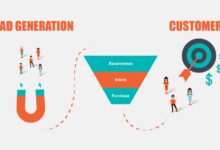
- They are the starting point of the sales funnel.
Different Forms of Leads
Leads aren’t a one-size-fits-all concept. They can appear in different forms depending on how they interact with your brand. For example, someone who clicks on a Facebook ad and lands on your pricing page is a lead. So is someone who attends your webinar or requests a demo.
According to Investopedia, a lead is “a potential sales contact”, which reinforces the idea that not all leads are equal—they vary in quality and intent.
“A lead is the spark before the sale. Without leads, there is no fire.”
Why the Leads Definition Matters in Modern Marketing
The leads definition isn’t just academic—it has real-world implications for how businesses grow. In an era where customer attention is fragmented and competition is fierce, knowing what constitutes a lead helps companies focus their efforts and resources more effectively.
Driving Revenue Through Lead Generation
Every sale starts with a lead. Without a steady stream of leads, even the best products can fail to gain traction. Companies that understand the leads definition can design better campaigns, allocate budgets wisely, and measure performance accurately.
- Leads are the foundation of the sales pipeline.
- High-quality leads increase conversion rates.
- Understanding leads helps optimize marketing ROI.
Aligning Sales and Marketing Teams
One of the biggest challenges in business is the misalignment between sales and marketing teams. A clear leads definition helps bridge this gap. When both teams agree on what a qualified lead looks like, collaboration improves, and the customer journey becomes smoother.
For instance, marketing might generate 1,000 leads in a month, but if only 200 meet the sales team’s criteria, there’s a disconnect. Defining what a lead is—and what makes it qualified—ensures everyone speaks the same language.
Types of Leads Based on the Leads Definition
Not all leads are created equal. Based on the leads definition, they can be categorized into different types depending on their behavior, intent, and position in the buyer’s journey. Understanding these types helps businesses prioritize and personalize their outreach.
Information Qualified Leads (IQLs)
These are individuals who have shown interest by requesting information. For example, someone who downloads a guide on “How to Choose the Right CRM” is likely in the research phase. They’re not ready to buy yet, but they’re gathering knowledge.
- Typically found in the awareness stage of the buyer’s journey.
- Engage through educational content like blogs, ebooks, and videos.
- Need nurturing before moving to the next stage.
Marketing Qualified Leads (MQLs)
MQLs are leads that marketing teams believe are more likely to become customers based on engagement metrics. These could include visiting pricing pages, signing up for a free trial, or attending a product demo.
The HubSpot Blog defines MQLs as leads “more likely to become a customer compared to other leads based on lead intelligence.” This distinction is crucial for efficient resource allocation.
Sales Qualified Leads (SQLs)
SQLs are leads that have been vetted by the sales team and deemed ready for direct sales outreach. They’ve shown buying intent—perhaps by requesting a quote, asking for a contract, or expressing budget and timeline.
- Have passed the marketing qualification stage.
- Are actively considering a purchase.
- Require personalized follow-up from sales reps.
How the Leads Definition Evolves Across Industries
The leads definition isn’t static—it changes depending on the industry, business model, and customer behavior. What counts as a lead in B2B software might be very different from what’s considered a lead in real estate or e-commerce.
B2B vs. B2C Lead Definitions
In B2B (business-to-business) environments, leads often involve multiple decision-makers and longer sales cycles. A lead might be a company representative who fills out a contact form for an enterprise solution. The focus is on relationship-building and demonstrating ROI.
In contrast, B2C (business-to-consumer) leads are usually individuals making personal purchases. A lead could be someone who abandons a shopping cart—this behavior signals intent and can trigger retargeting campaigns.
Leads in Service-Based vs. Product-Based Businesses
Service-based businesses, like consulting firms or agencies, often define leads as people who request consultations or submit project briefs. The lead qualification process is more conversational and relationship-driven.
Product-based companies, on the other hand, may define leads as users who sign up for free trials or download product brochures. Their qualification process is often more automated, relying on behavioral data and analytics.
Common Misconceptions About the Leads Definition
Despite its importance, the leads definition is often misunderstood. Many businesses confuse leads with customers, or assume that more leads always mean better results. These misconceptions can lead to wasted resources and poor performance.
Myth: All Leads Are Equal
One of the most dangerous myths is that every lead has the same potential. In reality, a lead who downloads a blog post is far less likely to convert than one who requests a demo. Treating all leads the same leads to inefficient follow-ups and missed opportunities.
- Quality matters more than quantity.
- Scoring leads based on behavior improves targeting.
- Segmentation ensures relevant messaging.
Myth: More Leads Automatically Mean More Sales
Generating a high volume of leads doesn’t guarantee revenue. If those leads aren’t qualified or properly nurtured, they’ll simply fall through the cracks. A smaller number of high-intent leads often yields better results than a flood of unqualified ones.
As Salesforce points out, “It’s not just about generating leads—it’s about generating the right leads.”
“More leads don’t mean more sales. More qualified leads do.”
Tools and Strategies to Capture Leads Based on the Definition
Once you understand the leads definition, the next step is capturing them effectively. This requires the right tools, strategies, and mindset. From landing pages to CRM systems, technology plays a crucial role in turning interest into actionable leads.
Landing Pages and Lead Capture Forms
Landing pages are one of the most effective tools for generating leads. A well-designed page with a clear value proposition and a simple form can convert visitors into leads. For example, offering a free checklist in exchange for an email address is a classic lead magnet.
- Keep forms short: name, email, and one additional field max.
- Use strong calls-to-action (CTAs) like “Get Your Free Guide”.
- A/B test headlines and button colors for optimization.
CRM and Lead Management Systems
Customer Relationship Management (CRM) platforms like HubSpot, Salesforce, and Zoho help businesses organize, track, and nurture leads. These systems allow you to assign lead scores, set follow-up tasks, and monitor conversion rates.
According to Gartner, “CRM systems are essential for managing customer interactions and improving lead conversion.”
Lead Nurturing Through Email and Automation
Not all leads are ready to buy immediately. Lead nurturing uses automated email sequences, personalized content, and targeted ads to build trust over time. For example, a new lead might receive a welcome email, followed by a case study, then a demo invitation.
- Use segmentation to send relevant content.
- Automate follow-ups based on user behavior.
- Measure open rates, click-through rates, and conversions.
Measuring the Success of Your Leads Definition Strategy
Understanding the leads definition is only half the battle. The other half is measuring how well your lead generation efforts are working. Without proper metrics, you can’t optimize, scale, or prove ROI.
Key Performance Indicators (KPIs) for Leads
To evaluate your lead strategy, track KPIs like:
- Lead Conversion Rate: Percentage of leads that become customers.
- Cost Per Lead (CPL): How much you spend to acquire each lead.
- Lead-to-Customer Ratio: How many leads it takes to close one sale.
- Lead Quality Score: A rating based on engagement, demographics, and intent.
Using Analytics to Refine Your Leads Definition
Data analytics tools like Google Analytics, Mixpanel, or Hotjar help you understand how leads behave on your website. You can see which pages they visit, how long they stay, and where they drop off. This insight allows you to refine your leads definition and improve targeting.
For example, if most of your SQLs come from users who watched a product video, you might redefine your lead criteria to include video engagement as a qualifying factor.
Continuous Improvement Through Feedback Loops
The best companies don’t set their leads definition and forget it. They create feedback loops between sales and marketing to continuously refine what a lead means. Sales teams report which leads convert best, and marketing adjusts campaigns accordingly.
- Hold regular sync meetings between sales and marketing.
- Use CRM data to identify patterns in winning leads.
- Update lead scoring models based on real-world results.
Future Trends Shaping the Leads Definition
The way we define and handle leads is evolving rapidly. Advances in AI, privacy regulations, and changing consumer behavior are reshaping what it means to be a lead in 2024 and beyond.
The Rise of Zero-Party Data
With third-party cookies being phased out, businesses are turning to zero-party data—information that customers willingly share. This includes preferences, purchase intentions, and personal goals. Leads defined by zero-party data are more accurate and privacy-compliant.
- Encourage users to self-identify their needs.
- Use quizzes and preference centers to collect data.
- Build trust by being transparent about data use.
AI-Powered Lead Scoring and Predictions
Artificial intelligence is transforming lead management. AI algorithms can analyze vast amounts of data to predict which leads are most likely to convert. This allows for hyper-personalized outreach and better resource allocation.
Platforms like Marketo and Pardot now offer AI-driven lead scoring, making it easier to focus on high-potential prospects.
Privacy-First Lead Generation
With GDPR, CCPA, and other regulations in place, businesses must redefine how they collect and use lead data. Consent-based marketing is becoming the norm. This means leads must opt in explicitly, and companies must provide clear value in exchange for data.
The future of the leads definition is not just about quantity or even quality—it’s about trust, transparency, and mutual benefit.
What is the basic leads definition?
The basic leads definition is a potential customer who has shown interest in your product or service by providing contact information or engaging with your brand in a measurable way.
What’s the difference between an MQL and an SQL?
A Marketing Qualified Lead (MQL) is someone who has engaged with marketing content and shows potential, while a Sales Qualified Lead (SQL) is someone the sales team has vetted and believes is ready for direct outreach.
How do you generate high-quality leads?
You generate high-quality leads by offering valuable content, using targeted campaigns, implementing lead scoring, and aligning sales and marketing efforts around a shared leads definition.
Why is lead nurturing important?
Lead nurturing is important because most leads aren’t ready to buy immediately. Through consistent, personalized communication, you build trust and guide them toward a purchase decision.
How is the leads definition changing in 2024?
The leads definition is shifting toward privacy-first, zero-party data and AI-driven insights. Businesses are focusing more on intent, consent, and predictive behavior rather than just contact information.
Understanding the leads definition is not just a marketing exercise—it’s a strategic imperative. From identifying potential customers to nurturing them into loyal buyers, every step of the journey starts with a clear, actionable definition of what a lead is. As industries evolve and technology advances, so too must our understanding of leads. By embracing quality over quantity, leveraging data intelligently, and aligning teams around a shared vision, businesses can turn leads into lasting success. The future of lead generation isn’t about chasing numbers—it’s about building meaningful relationships, one qualified lead at a time.
Further Reading:
