Lead generation isn’t just about collecting emails—it’s the lifeblood of sustainable business growth. In today’s hyper-competitive digital landscape, mastering lead generation can mean the difference between thriving and merely surviving. Let’s dive into the strategies that actually work.


What Is Lead Generation and Why It Matters

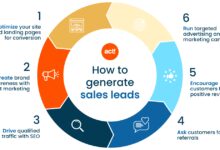
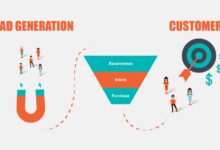
Lead generation is the strategic process of attracting and converting prospects into individuals who have shown interest in your product or service. It’s the first critical step in the sales funnel, bridging the gap between marketing efforts and revenue generation. Without a steady stream of qualified leads, even the best products can fail to gain traction.
The Evolution of Lead Generation
Lead generation has evolved dramatically over the past two decades. In the early 2000s, cold calling and trade shows dominated the scene. Today, digital channels like social media, search engines, and content marketing have taken center stage. According to HubSpot, businesses that prioritize lead generation grow 2.5x faster than those that don’t (HubSpot, 2023).
- Pre-internet era: Direct mail, cold calls, print ads
- Early digital: Email campaigns, basic landing pages
- Modern era: AI-driven personalization, multi-channel nurturing
Types of Leads: Marketing vs. Sales Qualified
Not all leads are created equal. Understanding the difference between marketing-qualified leads (MQLs) and sales-qualified leads (SQLs) is crucial.
Marketing-Qualified Leads (MQLs): These are prospects who have engaged with your content—downloaded an ebook, subscribed to a newsletter, or attended a webinar—but aren’t yet ready to buy.Sales-Qualified Leads (SQLs): These leads have been vetted by the sales team and show clear intent to purchase, such as requesting a demo or pricing information.Product-Qualified Leads (PQLs): A newer category, especially in SaaS, where users have experienced the product (e.g., via a free trial) and shown behaviors indicating readiness to convert..
“A lead is not just a name and email—it’s a potential relationship waiting to be nurtured.” — Neil Patel, Digital Marketing Expert
Top 7 Lead Generation Strategies That Deliver Results
Not every lead generation tactic works for every business.However, the following seven strategies have consistently proven effective across industries, from B2B tech to e-commerce brands.Let’s explore each in detail..
1. Content Marketing with High-Value Lead Magnets
Content is still king when it comes to lead generation. But not just any content—high-value, problem-solving content that offers real solutions. This is where lead magnets come in.
- Ebooks and whitepapers for in-depth knowledge
- Cheat sheets and templates for instant utility
- Free tools or calculators that solve specific problems
For example, a financial planning company might offer a free retirement calculator. Users input their data, get instant results, and in return, provide their email. This is a win-win: value for the user, a lead for the business.
According to DemandGen Report, companies using content marketing generate 3x more leads than those that don’t (DemandGen, 2022).
2. SEO-Optimized Landing Pages That Convert
A landing page is often the first real interaction a prospect has with your brand. If it’s cluttered, slow, or unclear, you’ll lose leads fast. High-converting landing pages share common traits:
- Clear, benefit-driven headlines (e.g., “Double Your Sales in 30 Days”)
- Minimal form fields (only ask for essential info)
- Strong call-to-action (CTA) buttons with action-oriented text
- Trust signals like testimonials, security badges, or client logos
Tools like Unbounce and Leadpages allow marketers to A/B test different versions of landing pages to optimize conversion rates. A well-optimized page can increase conversions by up to 40%.
3. Social Media Lead Generation Campaigns
Social media isn’t just for brand awareness—it’s a powerful lead generation channel. Platforms like LinkedIn, Facebook, and Instagram offer built-in lead gen forms that reduce friction.
- LinkedIn Ads: Ideal for B2B lead generation with precise targeting by job title, company size, and industry.
- Facebook Lead Ads: Users can submit forms without leaving the app, increasing completion rates.
- Instagram Shoppable Posts: Combine visual appeal with direct CTAs for e-commerce brands.
A study by Hootsuite found that 64% of marketers use social media for lead generation, with LinkedIn generating 80% of B2B leads (Hootsuite, 2023).
4. Email Marketing Funnels That Nurture Leads
Email remains one of the highest ROI channels for lead generation. But it’s not about blasting promotions. It’s about building trust through automated, behavior-based email sequences.
- Welcome series: Introduce your brand and set expectations
- Educational drip campaigns: Deliver value over time
- Re-engagement emails: Win back inactive subscribers
According to the Data & Marketing Association, email marketing delivers $42 for every $1 spent—making it one of the most cost-effective lead generation tools available.
5. Webinars and Live Events for High-Intent Leads
Webinars attract highly engaged prospects. People who register for a 60-minute session are more likely to be interested in your solution than someone who just clicks an ad.
- Choose topics that address pain points (e.g., “How to Reduce Churn in SaaS”)
- Promote via email, social media, and paid ads
- Follow up with attendees and no-shows using personalized emails
GoToWebinar reports that 20-40% of webinar attendees convert into qualified leads, far higher than most other channels.
6. Referral and Affiliate Programs That Scale
People trust recommendations from peers more than ads. Referral programs incentivize existing customers to bring in new leads.
- Offer discounts, cash rewards, or exclusive access
- Use platforms like ReferralCandy or Ambassador
- Track performance and optimize rewards over time
Affiliate marketing takes this further by partnering with influencers or niche websites to promote your offer in exchange for commission. It’s a performance-based model that minimizes risk.
7. Chatbots and Conversational Marketing for Instant Engagement
Today’s buyers don’t want to wait. Chatbots provide instant responses, qualify leads in real-time, and book meetings—all without human intervention.
- Use AI-powered bots like Drift or Intercom
- Program them to ask qualifying questions
- Route hot leads directly to sales reps
According to Drift, 64% of visitors expect to chat with a business in real-time. Companies using conversational marketing see up to 3x more qualified leads.
Essential Tools for Modern Lead Generation
No lead generation strategy succeeds without the right tools. From CRM systems to automation platforms, the right tech stack can make or break your efforts.
Customer Relationship Management (CRM) Systems
A CRM is the backbone of any lead generation operation. It stores lead data, tracks interactions, and helps sales teams prioritize follow-ups.
- Salesforce: Best for enterprise-level businesses
- HubSpot CRM: Free, user-friendly, and integrates with marketing tools
- Zoho CRM: Affordable with strong automation features
CRMs allow you to segment leads, score them based on behavior, and automate nurturing workflows.
Marketing Automation Platforms
Manual follow-ups don’t scale. Marketing automation tools help you deliver the right message at the right time.
- HubSpot: All-in-one platform for marketing, sales, and service
- ActiveCampaign: Powerful automation with advanced segmentation
- Mailchimp: Great for small businesses starting out
Automation can increase lead generation efficiency by up to 50%, according to Nucleus Research.
Lead Capture and Form Tools
The easier it is to capture a lead, the more you’ll get. Tools like Typeform, JotForm, and Google Forms simplify data collection.
- Embed forms on blogs, landing pages, and social media
- Use progressive profiling to gather info over time
- Integrate with CRMs for seamless data flow
Hotjar and Crazy Egg can also help optimize form placement by showing where users click and scroll.
Measuring Lead Generation Success: Key Metrics to Track
You can’t improve what you don’t measure. Tracking the right KPIs ensures your lead generation efforts are delivering ROI.
Conversion Rate
This is the percentage of visitors who become leads. For example, if 1,000 people visit your landing page and 100 sign up, your conversion rate is 10%.
- Benchmark: Average conversion rate is 5-10% across industries
- Optimization tip: A/B test headlines, CTAs, and form length
Cost Per Lead (CPL)
CPL tells you how much you’re spending to acquire each lead. It’s calculated by dividing total campaign spend by the number of leads generated.
- Example: $1,000 ad spend ÷ 200 leads = $5 CPL
- Goal: Reduce CPL while maintaining lead quality
High CPL isn’t always bad—if those leads convert to high-value customers.
Lead-to-Customer Conversion Rate
This metric shows how many leads actually become paying customers. A high lead volume means nothing if few convert.
- Industry average: 5-20% depending on sector
- Improvement strategy: Better lead qualification and sales alignment
According to Salesforce, companies with strong sales and marketing alignment achieve 36% higher customer retention and 38% higher sales win rates.
Common Lead Generation Mistakes to Avoid
Even experienced marketers fall into traps that sabotage their lead generation efforts. Here are the most common pitfalls and how to avoid them.
Targeting the Wrong Audience
Generating leads is pointless if they’re not the right fit. A common mistake is casting too wide a net.
- Solution: Develop detailed buyer personas based on research
- Use firmographic and behavioral data to refine targeting
- Leverage intent data from tools like Bombora or 6sense
Overlooking Lead Nurturing
Only 25% of leads are ready to buy immediately. The rest need nurturing. Ignoring them means leaving money on the table.
- Implement email drip campaigns
- Use retargeting ads to stay top-of-mind
- Personalize content based on lead behavior
“Nurture your leads like a garden—water them regularly, and they’ll bloom when the time is right.” — Mari Smith, Social Media Strategist
Poor Follow-Up and Sales Handoff
When marketing passes a lead to sales, poor communication can kill the opportunity. A study by InsideSales found that 78% of sales go to the vendor that responds first.
- Set SLAs (Service Level Agreements) between teams
- Use lead scoring to prioritize follow-ups
- Automate notifications when a hot lead is captured
Future Trends in Lead Generation
The lead generation landscape is constantly evolving. Staying ahead requires awareness of emerging trends and technologies.
AI and Predictive Lead Scoring
Artificial intelligence is transforming how we identify and prioritize leads. Predictive lead scoring uses machine learning to analyze historical data and predict which leads are most likely to convert.
- Tools like Salesforce Einstein and HubSpot Predictive Lead Scoring
- Reduces guesswork and improves sales efficiency
- Can increase conversion rates by up to 30%
Voice Search and Conversational Interfaces
With the rise of smart speakers and voice assistants, optimizing for voice search is becoming critical. People are using natural language queries like “best CRM for small business,” which impacts SEO and content strategy.
- Focus on long-tail, question-based keywords
- Optimize for featured snippets (Position 0)
- Ensure mobile and local SEO are strong
Privacy-First Lead Generation
With GDPR, CCPA, and cookie deprecation, businesses must adapt to a privacy-first world. Third-party data is fading; first-party data is king.
- Build trust with transparent data policies
- Offer value in exchange for consent
- Invest in zero-party data collection (e.g., preference centers)
According to Gartner, 80% of marketers will abandon personalization efforts by 2025 if they don’t adopt privacy-safe strategies.
Lead Generation for Different Business Models
What works for a SaaS company won’t necessarily work for a local service provider. Let’s look at how lead generation varies by model.
B2B Lead Generation
B2B sales cycles are longer and involve multiple decision-makers. Strategies must focus on education and trust-building.
- Content: Whitepapers, case studies, webinars
- Channels: LinkedIn, email, industry events
- Tools: CRM, lead scoring, account-based marketing (ABM)
ABM, where marketing and sales target specific high-value accounts, has gained popularity. ITSMA reports that 87% of companies practicing ABM exceed their revenue goals.
B2C Lead Generation
B2C leads often convert faster but require emotional appeal and urgency.
- Content: Videos, social proof, limited-time offers
- Channels: Instagram, TikTok, Google Ads
- Tools: Retargeting, SMS marketing, loyalty programs
For example, an e-commerce brand might run a flash sale promoted via Instagram Stories, capturing leads through a pop-up email signup.
E-commerce Lead Generation
E-commerce businesses focus on turning visitors into repeat customers. Lead generation here often revolves around cart recovery and loyalty.
- Exit-intent popups offering discounts
- Abandoned cart email sequences
- Post-purchase upsell campaigns
According to Barilliance, 50% of abandoned carts can be recovered with the right email strategy.
Building a Scalable Lead Generation Funnel
A successful lead generation strategy isn’t a one-off campaign—it’s a repeatable, scalable system. Here’s how to build one.
Map the Customer Journey
Understand the stages your prospects go through: awareness, consideration, decision. Tailor your content and CTAs to each stage.
- Awareness: Blog posts, social media, SEO
- Consideration: Comparison guides, webinars, case studies
- Decision: Free trials, demos, consultations
Integrate Marketing and Sales
Alignment between marketing and sales is critical. Use shared goals, regular meetings, and integrated tools to close the gap.
- Define what a qualified lead looks like
- Establish SLAs for follow-up times
- Share feedback loops to improve lead quality
Test, Measure, Optimize
Lead generation is not set-and-forget. Continuously test variables like headlines, CTAs, and channels.
- Use A/B testing for landing pages and emails
- Monitor KPIs monthly
- Iterate based on data, not assumptions
Companies that regularly optimize their funnels see up to 50% higher conversion rates over time.
What is lead generation?
Lead generation is the process of attracting and converting strangers into prospects who have shown interest in your product or service, typically by capturing their contact information for further nurturing.
What are the best lead generation strategies?
The most effective strategies include content marketing with lead magnets, SEO-optimized landing pages, social media advertising, email marketing funnels, webinars, referral programs, and conversational marketing using chatbots.
How do you measure lead generation success?
Key metrics include conversion rate, cost per lead (CPL), lead-to-customer conversion rate, and return on ad spend (ROAS). Tracking these helps optimize campaigns for better ROI.
What tools are essential for lead generation?
Essential tools include CRM systems (e.g., HubSpot, Salesforce), marketing automation platforms (e.g., ActiveCampaign), landing page builders (e.g., Unbounce), and analytics tools (e.g., Google Analytics).
How is AI changing lead generation?
AI is enabling predictive lead scoring, chatbots for instant engagement, and personalized content delivery. It helps prioritize high-intent leads and automate nurturing at scale.
Lead generation is not a one-size-fits-all game. It requires strategy, the right tools, and continuous optimization. From crafting compelling content to leveraging AI-driven insights, the most successful businesses treat lead generation as a science—not a guessing game. By focusing on value, relevance, and alignment between marketing and sales, you can build a sustainable engine for growth. The future belongs to those who nurture leads with precision, respect privacy, and adapt to changing technologies. Start small, test often, and scale what works.
Further Reading:
